

![echo $callnow_phoneicon['title']](https://mistersparkymyrtlebeachsc.com/wp-content/uploads/2017/11/emergency-electrician-in-north-myrtle-beach-sc-phone-icon.png) 843.213.6610
843.213.6610 Book Now!
Bonding Jumper Sizing Basics for Safer Electrical Systems
Understanding the fundamentals of bonding jumper sizing is crucial for maintaining safer electrical systems in homes and businesses. Whether you’re in Myrtle Beach, SC, or the surrounding areas like Conway, SC, knowing how to correctly size these components is essential. Bonding jumpers play a pivotal role in ensuring that electrical systems are grounded properly, which in turn, helps in preventing potential electrical hazards.
The process of bonding jumper sizing involves several considerations, including the type of electrical panel, piping, and gas systems you’re working with. It’s not just about picking any size; it’s about selecting the right size per code to ensure safety and efficiency. This task, while technical, is vital for the integrity of any electrical installation.
For residents and businesses in Myrtle Beach, SC, and its environs, staying informed about the latest codes and standards is key. This knowledge not only keeps your electrical systems up to code but also enhances the safety of your property. With the right information and tools, bonding jumper sizing doesn’t have to be a daunting task.
In conclusion, whether you’re a professional electrician or a diligent homeowner in Conway, SC, understanding bonding jumper sizing is a step towards safer and more reliable electrical systems. By adhering to code requirements and applying proper sizing practices, you contribute to the overall safety and functionality of electrical installations in your area.
Understanding Bonding Jumper Sizing
Understanding bonding jumper sizing is more straightforward when you grasp the basic principles. First, you need to identify the systems requiring a bonding jumper in your home or business. This could range from electrical panels to piping systems and gas lines. Each system has specific requirements based on its conductivity and potential for electrical interference.
Next, it’s essential to familiarize yourself with the National Electrical Code (NEC) guidelines. These guidelines provide the necessary parameters for selecting the correct size for bonding jumpers. For instance, the size might depend on the type of conductor material used and the total ampacity of the circuit. Consulting the NEC helps ensure your selection meets safety standards, preventing future electrical hazards.
In Myrtle Beach, SC, adhering to local codes and regulations is equally important. Local codes may have additional requirements or adjustments to the NEC standards. By staying informed about these local specifics, residents and businesses can ensure their electrical systems are not only safe but also fully compliant. This approach minimizes the risk of electrical failures and enhances the overall safety of the property.
Lastly, consider consulting with a professional electrician for precise bonding jumper sizing. Especially in areas like Conway, SC, where local expertise can be invaluable, a professional’s insight ensures that your electrical systems are optimized for safety and efficiency. They can provide tailored advice and solutions, making the task of sizing bonding jumpers simpler and more reliable.
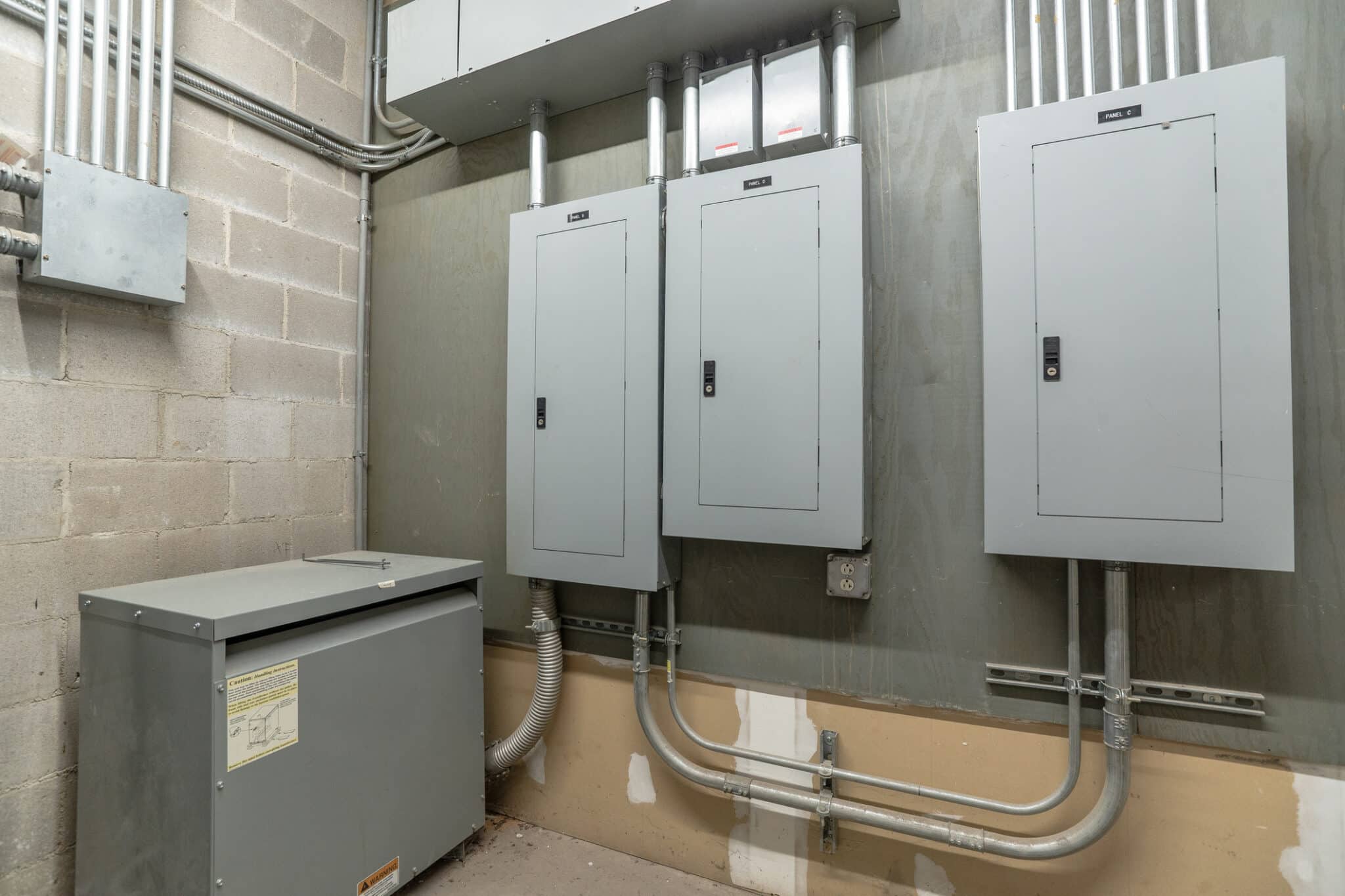
The Importance of Accurate Bonding Jumper Sizing
Accurate bonding jumper sizing is critical for maintaining the safety and efficiency of electrical systems. Incorrect sizing can lead to potential hazards, such as electrical shocks or fires, particularly in areas prone to high electrical demands like Myrtle Beach, SC. Therefore, it’s essential to calculate the correct size for bonding jumpers to ensure a safe electrical environment. This accuracy not only protects the property but also ensures compliance with safety standards.
In the process of sizing bonding jumpers, one must consider the specific requirements of their electrical systems. This includes the ampacity of circuits and the type of materials used in the construction of electrical panels, piping, and gas systems. Each of these factors plays a significant role in determining the appropriate size for bonding jumpers. By carefully evaluating these aspects, individuals can make informed decisions that enhance the safety and reliability of their electrical installations.
Moreover, the importance of consulting with professionals cannot be overstated, especially in regions like Conway, SC, where local expertise can provide insights into specific code requirements. A professional electrician can offer personalized advice based on the unique aspects of your property’s electrical system. Their experience ensures that the bonding jumper sizing not only meets code but also addresses the specific safety needs of your installation.
Ultimately, the goal of accurate bonding jumper sizing is to create a safer electrical environment for everyone. By taking the time to properly size these components, individuals can avoid unnecessary risks and ensure that their electrical systems operate efficiently. This proactive approach to electrical safety can save time, money, and potentially lives, making it a worthwhile investment for homeowners and businesses alike.
Code Requirements for Bonding Jumpers
When it comes to ensuring the safety of electrical systems, adhering to code requirements for bonding jumper sizing is paramount. The National Electrical Code (NEC) provides detailed guidelines that are essential for selecting the appropriate size of bonding jumpers. These guidelines take into account factors such as the type of conductor material and the circuit’s total ampacity. By following these standards, individuals in Myrtle Beach, SC, can significantly reduce the risk of electrical hazards.
Local codes in areas like Conway, SC, may introduce additional specifications that complement the NEC guidelines. These local requirements are designed to address specific safety concerns related to the region’s electrical infrastructure. Staying updated with both NEC and local codes ensures that electrical systems are not only safe but also fully compliant with the most current safety standards. This dual adherence is crucial for the prevention of electrical failures and the enhancement of property safety.
Consulting with a professional electrician is highly recommended for accurate bonding jumper sizing. Professionals bring a wealth of experience and knowledge, especially regarding the unique requirements of local codes. Their expertise ensures that the electrical systems are optimized for safety and efficiency, tailored to the specific needs of your property. This personalized approach is invaluable in achieving a safe electrical environment.
Ultimately, the meticulous sizing of bonding jumpers according to code requirements is a critical step towards ensuring the safety and reliability of electrical systems. By taking into account the NEC guidelines, local codes, and seeking professional advice, residents and businesses can avoid the dangers associated with improper electrical installations. This careful attention to detail not only safeguards properties in Myrtle Beach, SC, and Conway, SC, but also contributes to the overall well-being of the community.
Step-by-Step Guide to Sizing Bonding Jumpers
Sizing bonding jumpers correctly is a straightforward process when you follow a step-by-step guide. First, gather the necessary information about your electrical system, including the ampacity of circuits and the types of materials used. This initial step is crucial for residents in Myrtle Beach, SC, ensuring they start on the right foot. With accurate data in hand, the process becomes much simpler and more reliable.
Next, consult the National Electrical Code (NEC) to understand the requirements for bonding jumper sizing. The NEC provides clear guidelines that help in determining the correct size for your specific setup. This step is vital for ensuring that your electrical systems meet safety standards, thus avoiding potential hazards. It’s a preventive measure that significantly contributes to the safety of your home or business.
After consulting the NEC, apply the guidelines to your collected data to calculate the appropriate size for your bonding jumpers. This calculation should consider the conductor material and the total ampacity of your system. Residents of Conway, SC, will find this step particularly beneficial as it tailors the sizing to their specific electrical needs. Accurate calculations are key to maintaining a safe and efficient electrical system.
Finally, verify your calculations and consider seeking a professional electrician’s opinion to ensure accuracy. A professional can offer insights that might not be evident from guidelines alone, especially in complex installations. This expert advice can be invaluable, providing peace of mind that your bonding jumper sizing is precise and compliant with both NEC and local codes. By following these steps, you ensure a safer electrical environment for everyone involved.
Tools and Calculations for Bonding Jumper Sizing
Having the right tools is essential for accurate bonding jumper sizing. In Myrtle Beach, SC, professionals often use specialized software and calculators designed to streamline this process. These tools consider various factors such as conductor material and circuit ampacity, making it easier to comply with National Electrical Code (NEC) guidelines. With these resources, determining the correct size for bonding jumpers becomes more efficient and less prone to errors.
Calculations for bonding jumper sizing require attention to detail. First, by inputting the specific characteristics of your electrical system into these tools, you can obtain precise sizing recommendations. This step is crucial as it ensures that the bonding jumpers are neither too large nor too small for the system’s requirements. Residents in Conway, SC, benefit from this precision, as it directly impacts the safety and efficiency of their electrical installations.
Moreover, regularly updating these tools and calculators is vital to keep up with changes in the NEC and local codes. This practice ensures that the recommendations for bonding jumper sizing remain current and fully compliant. Professionals and diligent homeowners alike find that staying informed about these updates significantly enhances the reliability of their electrical systems. It’s a proactive approach to maintaining safety standards.
Finally, consulting with a professional electrician to review your calculations can provide additional assurance. An expert’s perspective might reveal nuances not covered by standard tools, especially in complex installations. This step is particularly valuable in ensuring that your bonding jumper sizing aligns with both NEC requirements and the specific needs of your property. Through this collaborative effort, creating a safer electrical environment becomes a more attainable goal for everyone involved.
Common Mistakes in Bonding Jumper Sizing
Avoiding common mistakes in bonding jumper sizing is crucial for the safety of electrical systems. One frequent error is not accounting for the specific requirements of the system’s materials and ampacity. This oversight can lead to selecting a size that doesn’t match the system’s needs, compromising safety. Residents in Myrtle Beach, SC, should always ensure their calculations reflect the unique characteristics of their installations.
Another mistake is overlooking the updates in the National Electrical Code (NEC) and local codes. Changes in these guidelines can affect the requirements for bonding jumper sizing, making previous standards obsolete. It’s essential for professionals and homeowners in Conway, SC, to stay informed about these updates. This practice helps maintain compliance and enhances the safety of electrical systems.
Relying solely on generic calculators without verifying their results can also lead to inaccuracies. While these tools are helpful, they may not cover all aspects of your specific setup. It’s advisable to review your calculations with a professional electrician who can provide insights tailored to your system’s requirements. This step ensures that your bonding jumper sizing is precise and compliant.
Finally, underestimating the importance of professional advice is a common pitfall. A professional electrician brings a wealth of experience and knowledge, especially regarding local codes and complex installations. Their expertise can prevent potential issues and ensure that your electrical system in Myrtle Beach, SC, is both safe and efficient. Consulting with a professional is a wise investment in the longevity and reliability of your electrical installations.
Bonding Jumpers for Gas Systems: Special Considerations
When sizing bonding jumpers for gas systems, special considerations come into play that differ from electrical panels and piping systems. In Myrtle Beach, SC, ensuring the safety of gas systems through proper bonding is critical to prevent electrical hazards. The materials used in gas systems, such as steel piping, require careful evaluation to determine the correct size of bonding jumpers. This step is essential in maintaining a safe connection between the gas system and the electrical grounding system.
The National Electrical Code (NEC) provides specific guidelines for bonding jumper sizing in gas systems, which must be closely followed. These guidelines take into account the potential for electrical current to travel through gas piping, posing a risk of sparks or fire. By adhering to these standards, residents in Conway, SC, can significantly reduce the risk of such hazards. It’s important to consult the latest version of the NEC to ensure compliance with the most current safety requirements.
In addition to following the NEC guidelines, consulting with a professional electrician is highly recommended for gas system bonding. A professional can offer insights into the unique aspects of your system, ensuring that the bonding jumper sizing is not only compliant but also tailored to your specific needs. Their expertise can be invaluable in navigating the complexities of bonding for gas systems, ensuring optimal safety and efficiency.
Finally, avoiding common mistakes in the bonding jumper sizing process for gas systems is crucial. One such mistake is underestimating the importance of professional advice or relying too heavily on generic calculators without verification. By taking a comprehensive and informed approach to bonding jumper sizing, homeowners and businesses can ensure their gas systems are safely and effectively bonded, protecting their properties from potential electrical hazards.
Case Studies: Bonding Jumper Sizing in Action
Exploring real-life applications of bonding jumper sizing reveals its significance in ensuring electrical safety. In Myrtle Beach, SC, a commercial building project recently showcased how precise sizing can prevent electrical hazards. The project team meticulously followed the National Electrical Code (NEC) guidelines, selecting the correct bonding jumper size for their electrical panels and gas systems. This careful approach not only ensured compliance but also enhanced the overall safety of the building’s electrical installations.
In another instance, a residential development in Conway, SC, faced challenges with bonding jumper sizing for its extensive piping systems. The developers consulted with professional electricians who provided tailored advice based on the specific requirements of the home’s electrical system. By accurately sizing the bonding jumpers, they effectively minimized the risk of electrical shocks and fires, demonstrating the critical role of expert guidance in complex installations.
Case studies also highlight common pitfalls in the bonding jumper sizing process and how they were overcome. For example, a renovation project initially underestimated the importance of updating bonding jumper sizes to meet the latest NEC standards. However, after a thorough review by a seasoned electrician, the project was adjusted to comply with current codes, showcasing the necessity of ongoing education and professional involvement in maintaining electrical safety.
These examples underscore the importance of precise bonding jumper sizing and the benefits of consulting with professionals. Whether it’s a new construction or an upgrade to existing systems, adhering to NEC guidelines and seeking expert advice ensures that electrical systems are safe, efficient, and compliant. Through these practical applications, the value of proper bonding jumper sizing in protecting properties and lives becomes evident.

Frequently Asked Questions
What is a bonding jumper?
A bonding jumper is a crucial component in electrical systems. It ensures a safe path for electricity to follow in case of a fault. By connecting different parts of an electrical system, it helps prevent potential shocks. Proper bonding jumper sizing is essential for maintaining system safety and compliance with codes.
How does bonding jumper sizing affect safety?
Bonding jumper sizing plays a key role in ensuring electrical safety. If sized correctly, it can prevent dangerous shocks by facilitating a safe path for fault currents. Incorrect sizing, however, might lead to overheating and potential fire hazards. Therefore, adhering to code requirements for bonding jumper sizing is crucial for protecting homes and businesses.
What factors influence bonding jumper sizing?
Several factors play a crucial role in determining the right bonding jumper sizing. The type and size of the electrical system components directly impact the required size. Environmental conditions, such as humidity and temperature, also influence the appropriate sizing. Lastly, the electrical code guidelines ensure safety and compliance, guiding the sizing process effectively.
Can bonding jumper sizing vary by system?
Yes, bonding jumper sizing can differ across various systems. For panels, piping, and gas systems, specific requirements guide the sizing process. Factors like system voltage and material type influence the ideal size. Hence, each system demands a unique approach to ensure safety and compliance.
What tools are needed for bonding jumper sizing?
For accurate bonding jumper sizing, a few essential tools are needed. A wire gauge tool helps measure the size of existing wires. Code books provide the necessary guidelines for correct sizing according to regulations. A calculator ensures precise calculations based on system requirements. Lastly, a multimeter can verify the electrical continuity and integrity of the bonding path.