

![echo $callnow_phoneicon['title']](https://mistersparkymyrtlebeachsc.com/wp-content/uploads/2017/11/emergency-electrician-in-north-myrtle-beach-sc-phone-icon.png) 843.213.6610
843.213.6610 Book Now!
Arc Fault Diagnostics Homeowners Can Understand
Understanding arc fault diagnostics is crucial for homeowners who want to ensure their homes are safe and electrically sound. An arc fault is a type of electrical malfunction that can cause fires if not promptly addressed. Fortunately, with the right knowledge, you can identify the symptoms and tools needed to pinpoint arc fault sources. This process, while technical, can be made accessible to homeowners in Myrtle Beach, SC, and beyond.
In Conway, SC, and surrounding areas, awareness about electrical safety is growing. Homeowners are becoming more proactive in learning about arc fault diagnostics. This shift towards preventative measures is essential in safeguarding homes against potential electrical hazards. By understanding the basics of arc fault diagnostics, residents can take the first step towards electrical safety.
The journey to mastering arc fault diagnostics begins with recognizing the common symptoms of an arc fault. These include unexpected flickering lights, strange sounds from electrical outlets, or the smell of burning plastic. Identifying these signs early can prevent more serious issues down the line. It empowers homeowners with the knowledge to act swiftly and effectively.
Finally, knowing which tools and steps are necessary for arc fault diagnostics is vital. While some diagnostic processes might require professional intervention, having a basic understanding equips homeowners to communicate more effectively with electricians. This collaboration is especially important in Myrtle Beach, SC, where local experts like Mister Sparky are ready to assist. Together, homeowners and professionals can ensure electrical systems are safe and reliable.
Understanding Arc Faults in Your Home
Understanding arc faults in your home starts with identifying the early warning signs that could signal a potential problem. When appliances or electronics turn off without a clear reason, it’s a symptom not to ignore. This issue often points to an underlying arc fault, which requires immediate attention. Homeowners in Conway, SC, have noted such occurrences, prompting them to seek further information on arc fault diagnostics.
Another critical step is to listen carefully to your home’s electrical system. A buzzing or crackling sound coming from an outlet or switch is a clear indicator of an arc fault. These sounds are not just random electrical noises, they signify a dangerous condition that could lead to serious consequences if left unaddressed. Residents in Myrtle Beach, SC, have become more vigilant, reporting these sounds to professionals who can help.
Visual inspection plays a crucial role in arc fault diagnostics as well. Discoloration around outlets or switches can suggest an arc fault has occurred. This discoloration results from the heat generated by an arc fault, which can damage the surrounding area. By spotting these signs early, homeowners can take proactive steps to mitigate risks before they escalate into larger issues.
Lastly, understanding the use of a circuit tester can be invaluable for homeowners looking to identify arc faults. This simple tool allows individuals to test outlets for a variety of electrical issues, including arc faults. Although using a circuit tester requires a basic understanding of electrical safety, it equips homeowners with a practical way to assess their electrical systems. With these tools and knowledge, residents can better protect their homes from the dangers of arc faults.
Tools Needed for Arc Fault Diagnostics
Having the right tools for arc fault diagnostics is essential for homeowners aiming to ensure their homes are electrically safe. A multimeter, an indispensable tool, allows for the measurement of voltage, current, and resistance within an electrical circuit. This versatility makes it a key asset in diagnosing arc faults, as it helps identify irregularities that could suggest the presence of such faults. By learning to use a multimeter, homeowners in Conway, SC, can take a proactive stance in maintaining their electrical safety.
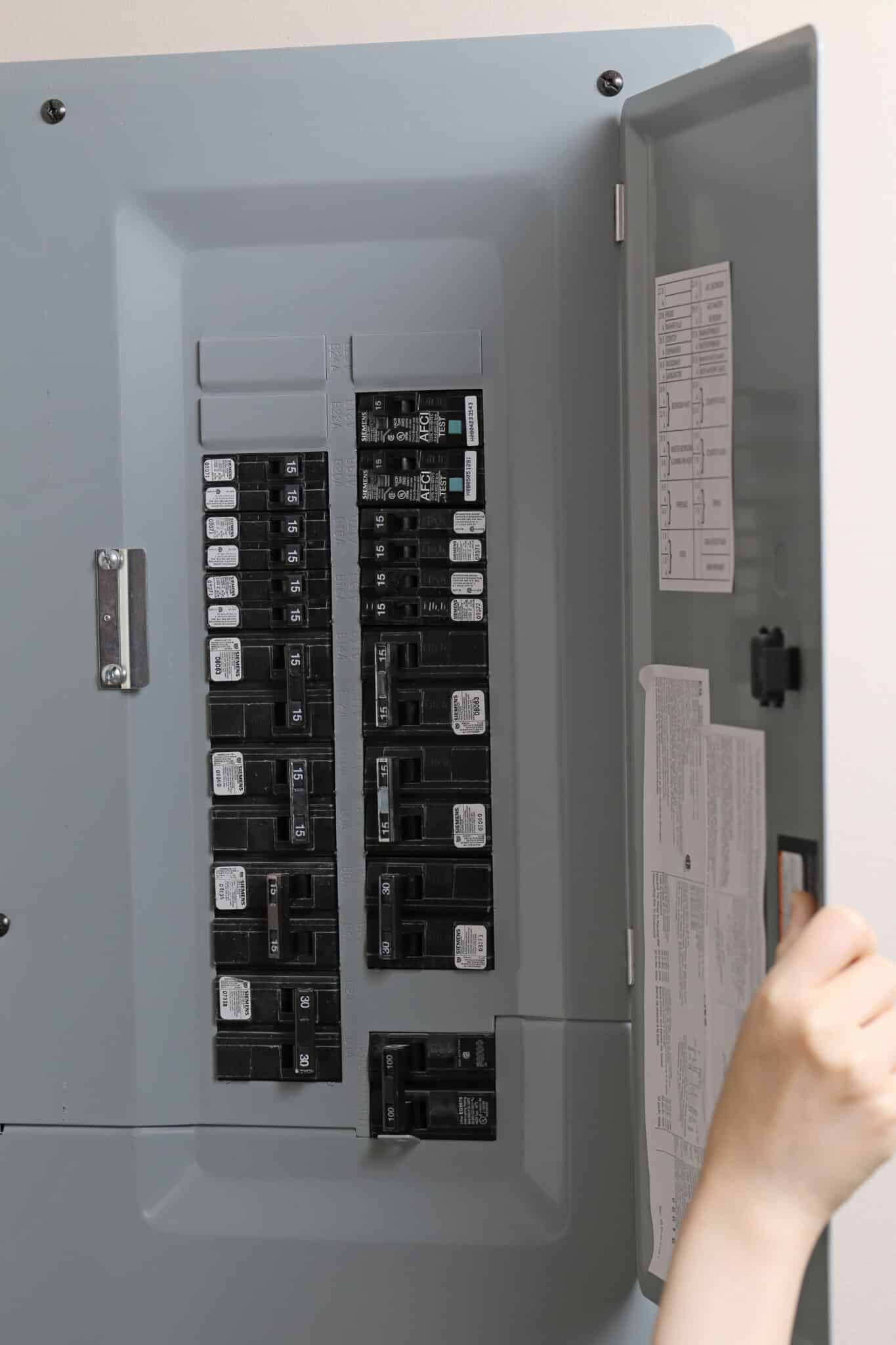
Another critical tool in the arsenal for arc fault diagnostics is an arc fault circuit interrupter (AFCI) tester. This specialized device is designed to test AFCI devices, which are integral in protecting homes from arc faults. By periodically checking these devices with an AFCI tester, homeowners can ensure they are functioning correctly, providing an added layer of safety. This practice is especially important in areas like Myrtle Beach, SC, where electrical safety is a priority.
In addition to specialized equipment, a detailed electrical circuit map of your home proves invaluable. This map provides a comprehensive overview of your home’s electrical system, highlighting potential areas where arc faults could occur. Having this map allows homeowners to quickly identify and address issues, significantly reducing the risk of electrical fires. It’s a tool that empowers homeowners to understand their electrical systems better and to spot discrepancies more easily.
Finally, equipping yourself with a sound knowledge base through educational resources on arc fault diagnostics can be as crucial as having the right physical tools. Many online platforms offer tutorials and guides that demystify the process, making it accessible to non-professionals. By dedicating time to learn about arc fault diagnostics, homeowners can enhance their ability to identify potential electrical hazards. This knowledge, combined with the right tools, ensures homes are safer and more secure against the risks of arc faults.
Common Symptoms of Arc Fault Issues
When homeowners in Myrtle Beach, SC, notice their lights flickering without a clear cause, it might be more than just a nuisance. This common symptom can often indicate an underlying arc fault, a serious issue that requires immediate attention. Flickering lights, especially when other appliances are working normally, suggest an inconsistency in the electrical flow. Identifying this early can prevent potential damage and ensure the safety of your home.
Another sign to watch for is the unexpected tripping of circuit breakers. When a circuit breaker trips frequently without an obvious overload, it could be hinting at an arc fault in the system. Homeowners should take note of these occurrences, as they serve as a direct warning of electrical issues that might not be visible on the surface. Addressing these trips promptly can help avoid more complex and dangerous problems.
In Conway, SC, residents have also reported a peculiar smell of burning plastic coming from outlets or switches, a telltale sign of an arc fault. This odor is caused by the heat generated from an arc fault, which can damage wiring insulation and surrounding materials. Recognizing and acting upon such smells can be crucial in preventing electrical fires, safeguarding both property and lives.
Lastly, a less common but equally important symptom is the presence of a charred or discolored wall plate around an outlet or switch. This discoloration is a physical manifestation of the excessive heat produced by an arc fault. Homeowners observing such signs should consider them a red flag and seek professional assessment immediately. Early intervention can make all the difference in maintaining a safe and secure electrical system in your home.
How to Test Your Electrical System for Arc Faults
Testing your electrical system for arc faults involves a few more steps to ensure your home in Myrtle Beach, SC, remains safe and sound. After conducting a preliminary assessment with a multimeter, consider employing an arc fault circuit interrupter (AFCI) tester. This tool specifically checks for arc faults, offering a more targeted approach than general voltage testing. It’s a proactive measure that can significantly enhance your arc fault diagnostics, giving you a clearer picture of your electrical system’s health.
Another useful strategy involves inspecting the wiring and connections in your home. Over time, wires can become frayed or loose, creating potential hotspots for arc faults. Carefully examine accessible wiring, looking for any signs of wear or damage. In Conway, SC, routine checks like these can prevent electrical mishaps, contributing to a safer living environment.
If your AFCI breaker frequently trips, it’s a clear sign that further investigation is needed. Document when the breaker trips and what appliances were in use at the time, as this can help pinpoint potential sources of arc faults. This documentation can be incredibly valuable, especially when consulting with electrical professionals who can offer deeper insights into the issue.
Lastly, if your efforts to identify the source of arc faults are unsuccessful, don’t hesitate to call in a professional electrician. They have the expertise and equipment to conduct comprehensive arc fault diagnostics. Their skills are particularly crucial when dealing with complex electrical systems or when the arc fault source is not easily identifiable. Partnering with a skilled electrician ensures that your home in Myrtle Beach, SC, is thoroughly checked and that any electrical issues are promptly addressed.
Professional vs. DIY Arc Fault Diagnostics
Deciding between professional and DIY arc fault diagnostics can be a pivotal choice for homeowners in Myrtle Beach, SC. Professionals bring a depth of experience and access to advanced tools that most DIY enthusiasts can’t match. They can quickly identify and resolve complex issues, ensuring your home’s electrical system is both safe and compliant with local codes. In contrast, DIY diagnostics offer a hands-on learning experience and can be cost-effective for simple issues.
However, embarking on DIY arc fault diagnostics requires a solid understanding of electrical systems and safety protocols. Homeowners in Conway, SC, who are comfortable with basic tools like multimeters and AFCI testers may find this approach rewarding. It allows for immediate response to symptoms and a better understanding of your home’s electrical layout. Yet, without the proper knowledge, DIY efforts can inadvertently overlook deeper problems or even create new hazards.
On the other hand, hiring a professional electrician for arc fault diagnostics comes with the assurance of thoroughness and accuracy. They not only diagnose but also fix the root cause of arc faults, something that might be out of reach for DIY methods. Professionals ensure that all repairs meet the stringent requirements of electrical safety standards, providing peace of mind that DIY cannot always guarantee.
Ultimately, the choice between professional and DIY arc fault diagnostics depends on the complexity of the issue, the homeowner’s skill level, and the potential risks involved. While DIY can suffice for minor problems and offers an educational benefit, serious or unclear issues warrant professional intervention. This ensures that your home in Myrtle Beach, SC, remains a safe haven, free from the dangers of improperly managed arc faults.
Preventing Future Arc Faults in Your Home
Preventing future arc faults in your home begins with adopting a proactive approach to electrical safety. Regular inspections of your electrical system can identify potential problems before they escalate. In Myrtle Beach, SC, homeowners can benefit from scheduling annual check-ups with licensed electricians. This practice ensures that any signs of wear and tear or faulty wiring are addressed promptly, reducing the risk of arc faults.
Implementing a routine to test and maintain your home’s arc fault circuit interrupters (AFCIs) is another key step. These devices are designed to protect against arc faults, but they require regular testing to function properly. Homeowners in Conway, SC, can use AFCI testers to verify that these safety devices are operational. By doing so, they significantly enhance their home’s electrical safety and prevent potential hazards.
Educating yourself and your family about the importance of electrical safety is also crucial. Understanding what causes arc faults and how to respond to them can make a significant difference. Simple actions, like not overloading outlets and ensuring cords are in good condition, can help prevent arc faults. This knowledge empowers homeowners to take immediate action, minimizing the risk of electrical fires.
Lastly, staying informed about the latest electrical safety standards and technologies can provide an additional layer of protection. New advancements in arc fault diagnostics and prevention are continually being developed. By keeping up-to-date, homeowners can adopt the most effective measures to safeguard their homes against arc faults. This commitment to ongoing education and improvement is essential for maintaining a safe and secure living environment.

Arc Fault Diagnostics: Safety Tips
When it comes to enhancing electrical safety through arc fault diagnostics, homeowners in Myrtle Beach, SC, can adopt several preventive measures. Regularly checking your electrical system for signs of wear and potential arc faults is a proactive step. This includes inspecting cords for damage and ensuring outlets are not overloaded. By doing so, you significantly reduce the risk of arc faults and increase your home’s safety.
In Conway, SC, residents can benefit from learning about the common causes of arc faults. Understanding that damaged wires or faulty electrical connections can lead to these issues empowers homeowners. With this knowledge, you can take immediate action, such as replacing damaged cords or fixing loose outlets. This hands-on approach to arc fault diagnostics plays a crucial role in preventing electrical mishaps.
Another vital safety tip involves the use of arc fault circuit interrupters (AFCIs). These devices are designed to detect and mitigate the effects of arc faults, preventing potential fires. Homeowners should test their AFCIs regularly to ensure they are functioning correctly. This simple yet effective measure adds an extra layer of protection to your home’s electrical system.
Lastly, staying informed about the latest in electrical safety and arc fault diagnostics technology is essential. As advancements are made, new tools and methods become available to homeowners. Keeping up with these developments allows you to adopt the most effective strategies for safeguarding your home. By staying proactive and informed, you ensure your home remains a safe environment for you and your family.
Frequently Asked Questions
What causes an arc fault?
An arc fault occurs when electrical wiring or devices malfunction, causing an unintended arc of electricity. This can result from damaged wires, loose connections, or worn-out insulation. Such arcs can generate intense heat, leading to fire hazards in homes. Identifying and addressing arc fault diagnostics promptly ensures household safety and prevents potential damage.
How to identify arc fault issues?
Identifying arc fault issues starts with recognizing unusual signs. Listen for popping noises from outlets or switches, a key indicator. Notice if lights flicker without an apparent cause, suggesting erratic electrical flow. Lastly, check for tripped circuit breakers, often a direct sign of arc faults in your system. Each symptom points towards the need for arc fault diagnostics to ensure home safety.
What are the signs of arc fault problems?
Signs of arc fault problems often include unexpected sounds, like crackling or buzzing, coming from walls or electrical devices. You might also notice a burning smell near outlets or switches, a telltale warning of dangerous overheating. Frequent tripping of circuit breakers without a clear overload is another red flag. Lastly, electrical devices may malfunction or stop working, indicating potential arc faults needing immediate attention.
How do arc fault diagnostics work?
Arc fault diagnostics involve a careful examination of your home’s electrical system. Electricians use specialized tools to trace and identify faulty wiring or devices. This process helps pinpoint the exact source of the arc fault. By addressing these issues, homeowners can enhance safety and prevent potential electrical fires.
Can homeowners perform arc fault diagnostics?
Homeowners can indeed try their hand at identifying arc fault issues, but it’s a task that requires caution. Spotting the common signs is the first step, such as flickering lights or unusual sounds from outlets. However, pinpointing the exact source often demands professional tools and knowledge. For safety and accuracy, calling in an expert is usually the best approach.