

![echo $callnow_phoneicon['title']](https://mistersparkymyrtlebeachsc.com/wp-content/uploads/2017/11/emergency-electrician-in-north-myrtle-beach-sc-phone-icon.png) 843.213.6610
843.213.6610 Book Now!
Neutral Bar Capacity Limits You Should Never Ignore
When it comes to electrical safety and efficiency in your home, understanding the neutral bar capacity is crucial. This component plays a key role in the distribution of power throughout your electrical system. Ignoring its capacity limits can lead to serious issues, ranging from tripped breakers to potential fire hazards. That’s why homeowners in Myrtle Beach, SC, and surrounding areas need to be aware of these limits.
In Conway, SC, electricians often encounter homes where the neutral bar is overloaded. This is a clear sign that it’s time to assess your electrical system’s current demands. With the increasing number of electronic devices in homes today, the original electrical setup may no longer suffice. Upgrading or adding a subpanel can significantly improve your system’s safety and functionality.
But how do you know if your neutral bar capacity has been exceeded? The answer lies in understanding bus bar ratings and conductor counts. These metrics provide a clear guideline on how much your system can handle before it becomes unsafe. It’s a technical area where professional advice from a company like Mister Sparky can be invaluable.
Taking action before problems arise is the best approach to maintaining a safe electrical system. Residents in Myrtle Beach, SC, have the advantage of accessing expert services to ensure their homes meet current electrical standards. By keeping an eye on your neutral bar capacity, you can protect your home from electrical issues and enjoy peace of mind.
Understanding Neutral Bar Capacity and Its Importance
Understanding the neutral bar capacity is essential for ensuring the safety and efficiency of your home’s electrical system. This involves knowing the bus bar ratings and conductor counts, which indicate how much electrical load your system can safely manage. When these limits are exceeded, it’s a signal that your system may be under stress, potentially leading to dangerous situations. Therefore, keeping informed about these aspects can help prevent electrical problems.
One way to address an overloaded neutral bar is by adding a subpanel. This solution not only expands your system’s capacity but also enhances its ability to distribute electricity more efficiently. By doing so, homeowners in Myrtle Beach, SC, can ensure that their electrical systems are equipped to handle the demands of modern appliances and electronics without compromising on safety.
Professional electricians, like those from Mister Sparky, play a crucial role in evaluating your electrical system’s current state. They can accurately determine if the neutral bar capacity has been exceeded and recommend the best course of action. Their expertise ensures that any upgrades or modifications are done correctly, adhering to the latest safety standards and regulations.
Taking proactive measures by consulting with professionals can save homeowners from potential hazards. It’s a wise investment in your home’s electrical safety and functionality. By understanding and acting on the limits of your neutral bar capacity, you can enjoy a safer, more efficient home environment.
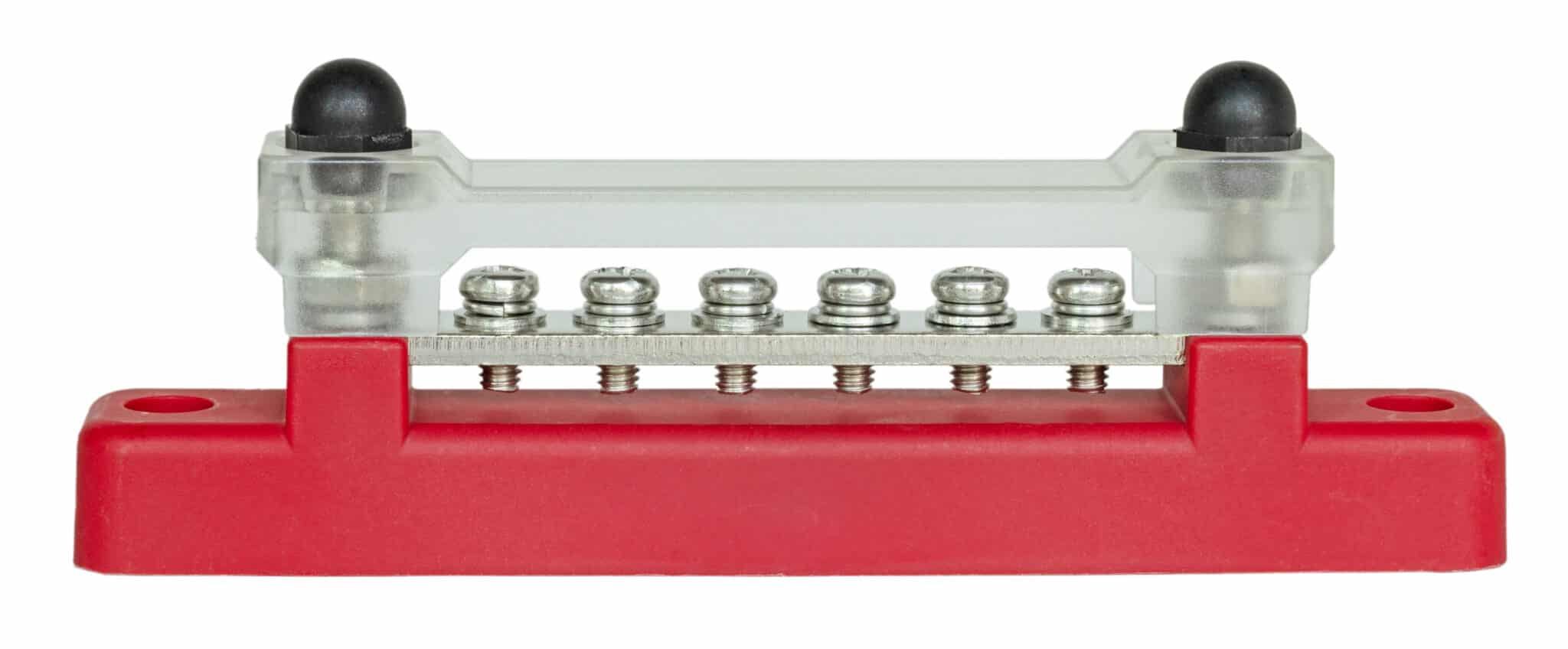
The Basics of Bus Bar Ratings
Bus bar ratings are a fundamental aspect of understanding your home’s electrical system, particularly when it comes to neutral bar capacity. These ratings determine the maximum current that can safely pass through the electrical bus bar without causing damage or overheating. For homeowners in Myrtle Beach, SC, knowing these ratings helps in making informed decisions about electrical upgrades. It ensures that any addition to the electrical load doesn’t exceed the safe handling capacity of your neutral bar.
When examining your home’s electrical setup, it’s essential to consider the conductor counts as well. This refers to the number of conductive wires connected to the neutral bar. An increase in conductor count often indicates a growing demand on your electrical system. If the number seems high, it might be time to consult with a professional electrician to evaluate whether your system is approaching or exceeding its neutral bar capacity.
Adding a subpanel is a common solution for homes where the neutral bar capacity is maxed out. This not only alleviates strain on the main panel but also allows for future expansion of your electrical system. In Conway, SC, homeowners who choose to add a subpanel find it a practical way to upgrade their electrical systems. This step is crucial for maintaining both safety and efficiency as the number of electrical devices in homes continues to grow.
Ultimately, staying informed about the basics of bus bar ratings and conductor counts can prevent many common electrical problems. Regular checks and consultations with experts like Mister Sparky can help identify when it’s time to act. Whether it’s adding a subpanel or making other necessary adjustments, taking these steps ensures your home’s electrical system remains safe, efficient, and capable of meeting your needs.
How to Calculate Conductor Counts for Your Panel
Calculating conductor counts for your panel is a critical step in understanding your home’s neutral bar capacity. This process involves counting the number of wires connected to the neutral bar in your electrical panel. It’s a straightforward method that homeowners in Myrtle Beach, SC, can use to gauge their system’s current load. Knowing this count helps in determining whether your electrical system can accommodate additional devices or if it’s nearing its limit.
To accurately calculate the conductor counts, it’s essential to turn off the power to ensure safety. Once safe, open the panel and count each wire connected to the neutral bar. This count gives a clear picture of how much your system is currently handling. If the number is high, it might indicate that your system is operating close to its neutral bar capacity, signaling the need for an upgrade or the addition of a subpanel.
Understanding the implications of exceeding the neutral bar capacity is crucial for maintaining electrical safety and efficiency. When the conductor count surpasses the recommended limit, it can stress the electrical system, leading to potential hazards. Homeowners in Conway, SC, facing this issue should consult with a professional electrician. An expert can offer solutions, such as reconfiguring the panel or installing a subpanel, to safely increase capacity.
Taking proactive steps based on the conductor counts can prevent overloading the neutral bar. Regularly reviewing and adjusting your electrical system as needed helps avoid complications. For residents looking to ensure their homes remain safe and efficient, staying informed about the neutral bar capacity is key. By doing so, you can enjoy the benefits of a reliable electrical system that meets all your needs.
Signs Your Neutral Bar Capacity Is Maxed Out
Recognizing the signs that your neutral bar capacity is maxed out is critical for maintaining a safe electrical system in your home. One clear indicator is frequent tripping of circuit breakers. This happens when the system tries to handle more current than it’s designed for, leading to safety mechanisms kicking in to prevent damage. Homeowners in Myrtle Beach, SC, experiencing this should see it as a red flag signaling the need for an electrical system evaluation.
Another sign is the presence of flickering lights throughout the home. This can occur when the electrical load is unevenly distributed, often due to an overloaded neutral bar. It’s not just an annoyance, it’s a symptom of deeper electrical issues that could compromise the safety of your home. Taking note of these flickers, especially if they become more frequent, is essential.
Overheating of the electrical panel is a more direct and dangerous sign that your neutral bar capacity may be exceeded. You might notice the panel is warm to the touch, or in more severe cases, discolored due to the heat. This overheating can lead to significant damage or even fire if not addressed promptly. Residents in Conway, SC, should consider this a serious warning sign and seek professional help immediately.
Lastly, if you hear buzzing sounds from your electrical panel, it’s time to act. These sounds indicate that electricity is arcing within the panel, a direct result of an overloaded neutral bar struggling to manage the current passing through it. Ignoring such auditory cues can lead to catastrophic outcomes, emphasizing the importance of regular electrical system checks and upgrades when necessary.
The Role of Subpanels in Managing Electrical Load
Subpanels play a crucial role in managing your home’s electrical load, effectively preventing the neutral bar capacity from being exceeded. By installing a subpanel, homeowners in Myrtle Beach, SC, can distribute the electrical load more evenly. This ensures that no single point, especially the main neutral bar, bears excessive strain. It’s a smart way to enhance your electrical system’s efficiency and safety.
When the neutral bar capacity reaches its limit, adding a subpanel offers a practical solution for expansion. It allows for additional circuits to be added without overloading the existing system. Residents in Conway, SC, find this particularly beneficial as it accommodates the growing number of electrical devices and appliances in their homes. This step significantly reduces the risk of tripped breakers and other electrical issues.
Consulting with a professional electrician is key to determining the need for a subpanel. They can assess your system’s current load and recommend the best course of action. Their expertise ensures that the installation of a subpanel not only meets your current needs but also anticipates future requirements. This proactive approach keeps your electrical system running smoothly and safely.
Ultimately, understanding and managing your neutral bar capacity is essential for any homeowner. Adding a subpanel is a strategic decision that pays off by providing additional capacity and flexibility to your home’s electrical system. It’s an investment in the safety and functionality of your property, ensuring that your electrical system can handle whatever demands you place on it.
Safety Concerns with Exceeding Neutral Bar Capacity
Ignoring the neutral bar capacity in your home’s electrical system poses significant safety risks. Overloading this critical component can lead to a series of dangerous outcomes, including the potential for electrical fires. Homeowners in Myrtle Beach, SC, should be vigilant about monitoring their system’s load. Ensuring it stays within safe limits is crucial for protecting your property and loved ones.
Electrical issues often start subtly before escalating into serious problems. For instance, an overloaded neutral bar might initially cause minor nuisances, such as flickering lights or occasional breaker trips. However, residents in Conway, SC, should view these signs as early warnings. Immediate action can prevent these issues from developing into more hazardous situations.
Professional electricians are equipped to handle these concerns with precision and care. They can assess whether your home’s neutral bar capacity is being exceeded. Through their expertise, they offer solutions that not only resolve current overloads but also anticipate future electrical needs. This proactive approach is essential for maintaining a safe and efficient electrical system.
In summary, exceeding the neutral bar capacity is a safety concern that requires immediate attention. Homeowners should not overlook or underestimate the potential dangers associated with an overloaded electrical system. Regular checks and professional consultations can help ensure your home remains a safe haven. Taking timely action against such risks is a responsibility that comes with home ownership, safeguarding both your property and the well-being of its occupants.
Legal and Code Considerations for Electrical Panels
When considering the expansion or modification of your home’s electrical system to manage neutral bar capacity, it’s essential to be aware of legal and code requirements. These regulations ensure that any changes made to the electrical setup, including the addition of a subpanel, adhere to safety standards. In Myrtle Beach, SC, homeowners must consult with licensed electricians who are familiar with local codes. This step prevents potential legal issues and ensures the electrical system’s modifications are both safe and compliant.
Electrical codes vary by location, making it crucial for residents in Conway, SC, to seek professional guidance when addressing neutral bar capacity concerns. These codes are in place to protect homeowners from electrical hazards by setting standards for installation and maintenance. By following these guidelines, you can rest assured that your electrical system upgrade or expansion will meet the required safety measures. It also avoids the pitfalls of DIY electrical work, which can lead to serious safety violations.
In addition to adhering to local codes, understanding the specific requirements related to neutral bar capacity can prevent overloading and ensure efficient system operation. Electricians can offer valuable advice on managing your home’s electrical load, suggesting when to add a subpanel or reconfigure existing setups. Their expertise ensures that any changes comply with legal standards and enhance the system’s safety and functionality. This approach not only safeguards your home but also optimizes the electrical system’s performance.
Finally, staying informed about updates to electrical codes and regulations is vital for homeowners. These changes can affect how you manage your home’s neutral bar capacity and overall electrical system. Regular consultations with professional electricians can help keep your system up-to-date and in compliance with the latest standards. For homeowners in Myrtle Beach, SC, and Conway, SC, this means peace of mind knowing their electrical system is safe, efficient, and legally compliant.

Frequently Asked Questions
What is a neutral bar?
A neutral bar is a key component in an electrical panel, grounding and stabilizing the electric current. It serves as a central point where neutral wires connect, ensuring safe operation of your home’s electrical system. Overloading it beyond its neutral bar capacity can lead to serious safety risks. That’s why understanding and respecting its limits is crucial for homeowners and electricians alike.
How is neutral bar capacity determined?
Determining the neutral bar capacity involves checking the electrical panel’s specifications. Manufacturers provide ratings that indicate the maximum number of connections allowed. This ensures that the system operates safely without overloading. Always consult these guidelines before adding new circuits to avoid electrical hazards.
Can you exceed neutral bar capacity?
Exceeding the neutral bar capacity is a risky move that can compromise your home’s electrical safety. It can lead to overheating, potentially causing fires or damage to your electrical system. To ensure safety, always stick to the manufacturer’s guidelines on capacity limits. If you need more connections, consider installing a subpanel instead of overloading the existing neutral bar.
What are the risks of ignoring capacity limits?
Ignoring neutral bar capacity limits can lead to serious consequences. Overloading can cause overheating, risking fires and damage to your electrical system. Additionally, it may result in poor performance of electrical appliances. To avoid these hazards, always adhere to specified capacity limits.
How to calculate neutral bar capacity?
Calculating neutral bar capacity starts by checking the electrical panel’s label for manufacturer specifications. This label lists the maximum number of circuits and connections it can safely handle. If the information is unclear, consulting an electrician is a wise step. They can assess your system’s needs and ensure it meets safety standards without exceeding its limits.