

![echo $callnow_phoneicon['title']](https://mistersparkymyrtlebeachsc.com/wp-content/uploads/2017/11/emergency-electrician-in-north-myrtle-beach-sc-phone-icon.png) 843.213.6610
843.213.6610 Book Now!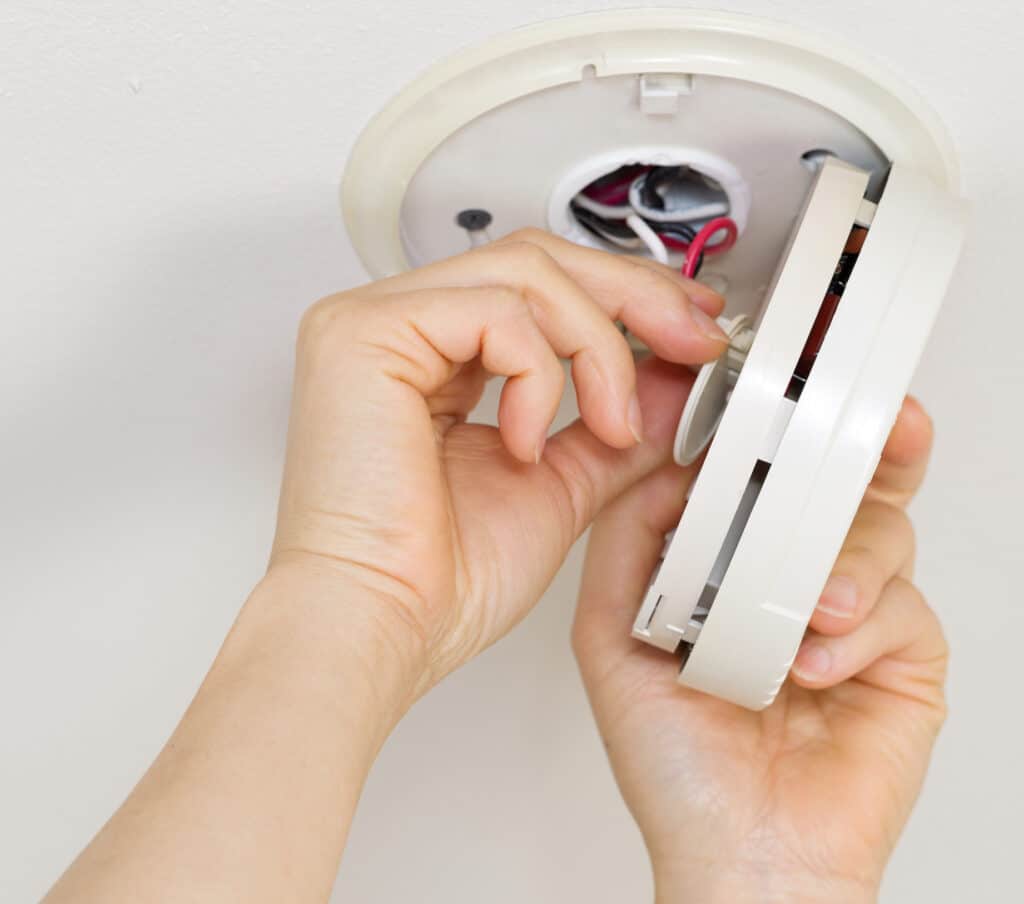
Carbon Monoxide Detectors Placement and Wiring Essentials
Understanding the proper placement and wiring of carbon monoxide detectors is crucial for ensuring the safety of your home. In areas like Myrtle Beach, SC, where the community thrives on a mix of residential and vacation properties, ensuring the safety of these spaces is paramount. Carbon monoxide detectors play a vital role in detecting the invisible, odorless gas that can be deadly if left unnoticed. It’s essential to know where and how to install these life-saving devices correctly.
In Conway, SC, and surrounding areas, the guidelines for carbon monoxide detectors emphasize not just placement but also the importance of hardwiring and interconnection. This means that when one alarm sounds, all alarms throughout the home do as well, providing an extra layer of safety. By understanding these requirements, homeowners can ensure their properties meet local codes and, more importantly, provide a safe environment for families and guests.
The placement of carbon monoxide detectors is as critical as having them in the first place. Experts recommend installing them near sleeping areas and on every level of your home, including the basement. This strategic placement ensures that no matter where in the home you are, you’ll be alerted to the presence of carbon monoxide before it reaches dangerous levels.
Finally, ensuring your carbon monoxide detectors are properly wired and interconnected can seem daunting. However, for residents in Myrtle Beach, SC, and Conway, SC, professional services like Mister Sparky offer peace of mind. They ensure that your detectors are not only placed correctly but are also hardwired to function cohesively, providing an essential safety net for every household.
Understanding Carbon Monoxide and Its Risks
To grasp the importance of carbon monoxide detectors, one must first understand carbon monoxide itself. This gas, often referred to as CO, is produced when fuels like gas, oil, coal, or wood do not burn fully. Inside homes in Conway, SC, and elsewhere, heating and cooking equipment can emit dangerous levels if not properly ventilated. Being colorless and odorless makes carbon monoxide particularly treacherous, as it’s impossible to detect without the help of detectors.
The risks associated with carbon monoxide exposure are severe and can escalate quickly without warning. Even low levels of exposure can cause symptoms such as headaches, dizziness, and nausea, which are often mistaken for flu-like illnesses. In Myrtle Beach, SC, where homes may rely on various fuel-burning appliances, ensuring the presence of functional carbon monoxide detectors is critical. At higher concentrations, CO can be fatal, underscoring the detectors’ role as lifesavers.
Understanding these risks highlights why proper installation and maintenance of carbon monoxide detectors are non-negotiable. It’s not just about installing a device but ensuring it’s correctly placed and functioning at all times. Regular testing and battery replacement, if not hardwired, become essential routine tasks. This vigilance ensures that the detectors provide continuous protection against the silent threat of carbon monoxide.
Finally, the integration of carbon monoxide detectors into a home’s safety plan should be seen as a priority, not an option. For residents of Conway, SC, and Myrtle Beach, SC, knowledgeable professionals can offer guidance and installation services. They ensure that detectors are not only present but also optimally placed and maintained, forming a critical line of defense against carbon monoxide poisoning. This approach to safety can make all the difference in preventing tragedies related to CO exposure.

Optimal Placement of Carbon Monoxide Detectors
Determining the optimal placement for carbon monoxide detectors is a key step in safeguarding homes in Myrtle Beach, SC. These devices are most effective when located near sleeping areas, ensuring that residents are quickly alerted to danger, even during sleep. It’s also crucial to install them on every level of a home, including the basement, to monitor carbon monoxide levels throughout. This strategy helps cover all potential sources of CO, providing comprehensive protection.
In addition to bedrooms and multiple floors, installing carbon monoxide detectors near, but not inside, kitchens and garages is wise. These areas are common sources of CO due to the presence of fuel-burning appliances and vehicles. However, placing detectors too close to these sources can lead to false alarms, so maintaining a reasonable distance is important. This careful placement ensures detectors work effectively without causing unnecessary panic.
Interconnection of carbon monoxide detectors offers an added layer of safety, especially in larger homes in Conway, SC. When one detector senses CO, all connected units sound the alarm, ensuring the warning is heard throughout the house. This feature is particularly beneficial at night when residents are likely spread across different rooms. It ensures that everyone is alerted simultaneously, allowing for a swift and coordinated response.
Regular testing and maintenance are essential to keep carbon monoxide detectors functioning correctly. Homeowners should test their detectors monthly and replace batteries annually, or opt for hardwired models to reduce maintenance. Remembering to replace the entire unit every 5 to 7 years is also crucial, as sensors can degrade over time. By following these practices, residents can trust their carbon monoxide detectors to provide reliable protection against this invisible threat.
The Basics of Hardwiring Carbon Monoxide Detectors
Understanding the basics of hardwiring carbon monoxide detectors is crucial for ensuring these devices operate seamlessly and reliably. In Myrtle Beach, SC, where homes range from cozy bungalows to sprawling vacation rentals, hardwiring offers a dependable solution that doesn’t rely on batteries. This setup connects detectors directly to the home’s electrical system, ensuring they remain active around the clock. Homeowners can rest easy knowing their detectors are always on guard, without the need for regular battery checks.
Hardwiring also allows for the interconnection of carbon monoxide detectors across different levels and areas of a home. This feature is particularly important in larger properties in Conway, SC, where it’s vital that an alarm in the basement triggers alarms throughout the house. When one detector senses carbon monoxide, all connected units will sound the alarm, providing an immediate alert to everyone inside. This interconnected system ensures quick and coordinated evacuation, enhancing the safety of occupants.
To comply with local safety codes and ensure optimal performance, professional installation of hardwired carbon monoxide detectors is recommended. Professionals understand the specific requirements and regulations in place, ensuring that installations meet all necessary standards. They can also advise on the best locations for detectors, taking into consideration the layout and design of your home. With their expertise, you can achieve a setup that maximizes safety and complies with all local guidelines.
Finally, while hardwired carbon monoxide detectors are low maintenance, they are not maintenance-free. It’s essential to test these systems regularly to ensure they are functioning correctly. Most models come with a test button, making this process simple and quick. Additionally, even though they’re connected to the home’s electrical system, many hardwired models have backup batteries that need to be replaced periodically. This ensures that the detectors remain operational during power outages, providing uninterrupted protection.
Interconnecting Your Carbon Monoxide Detectors for Enhanced Safety
Interconnecting carbon monoxide detectors significantly enhances the safety of homes in Myrtle Beach, SC. By linking detectors, an alarm triggered in one area of the house instantly activates all others, ensuring that no corner is left unalerted. This system is particularly beneficial in multi-level homes or larger properties where the sound may not reach distant rooms. Ensuring this interconnected setup can be the difference between a timely evacuation and a dangerous delay in response.
In Conway, SC, professionals can assist with the interconnection process, making it seamless and efficient. They have the expertise to configure your system correctly, ensuring that each detector communicates effectively with the others. This expert setup guarantees that, regardless of where carbon monoxide is detected, the entire household is promptly alerted. Relying on professional services for this task not only ensures proper installation but also peace of mind.
Homeowners should also understand that interconnecting carbon monoxide detectors goes beyond initial installation. Regular maintenance checks are crucial to ensure that every unit in the network is functioning correctly. Testing each detector monthly and replacing any unit that fails to respond is essential for maintaining the integrity of the interconnected system. This vigilance helps preserve the protective shield that these detectors provide to your home.
Moreover, embracing this interconnected approach aligns with safety codes and recommendations, reinforcing the commitment to safeguarding residents against the dangers of carbon monoxide. While individual detectors can alert you to the presence of CO, an interconnected system ensures that these warnings reach every occupant, regardless of their location within the home. Adopting this comprehensive safety measure reflects a proactive stance in protecting against carbon monoxide, offering unparalleled reassurance to families in Myrtle Beach, SC, and Conway, SC.

Carbon Monoxide Detectors: Battery vs. Hardwired
Choosing between battery-operated and hardwired carbon monoxide detectors is a critical decision for homeowners in Myrtle Beach, SC. Battery-operated models offer ease of installation and placement flexibility, allowing for quick setup in key areas of the home. These units are ideal for immediate use and can be installed without professional help. However, they require regular battery replacements to ensure continuous protection.
On the other hand, hardwired carbon monoxide detectors provide a more permanent solution to CO monitoring. Once installed, they draw power from the home’s electrical system, eliminating the need for battery changes. This setup is particularly beneficial in Conway, SC, where homes might be left unattended for periods, as it offers uninterrupted monitoring. Hardwired systems also typically include a battery backup, ensuring functionality during power outages.
Interconnecting hardwired carbon monoxide detectors enhances the safety net within a home. When one detector is triggered, all connected units sound an alarm, providing a comprehensive alert system. This interconnected feature is crucial for larger homes, ensuring that no matter where in the house you are, you’ll be promptly warned of danger. It’s a setup that fosters a quicker response, potentially saving lives.
Ultimately, the choice between battery-operated and hardwired carbon monoxide detectors depends on individual needs and home configurations. While battery-operated detectors offer simplicity and flexibility, hardwired and interconnected models provide a robust level of safety and reliability. Homeowners should consider their lifestyle, house size, and personal preferences when deciding, ensuring their choice aligns with the goal of maximum protection against carbon monoxide exposure.
Navigating Building Codes and Standards for CO Alarms
Navigating building codes and standards for carbon monoxide detectors is a crucial step for homeowners in Myrtle Beach, SC. These regulations ensure that installations meet safety requirements, protecting residents from the dangers of CO. Local codes often specify the number, type, and placement of detectors, making compliance a key aspect of home safety. Understanding these guidelines helps homeowners create a secure environment, free from the risks associated with carbon monoxide.
In Conway, SC, adhering to building codes for carbon monoxide detectors also means staying updated on any changes or updates to the regulations. Authorities periodically review and adjust these standards to reflect new safety research or technology advancements. Homeowners must stay informed to ensure their systems remain compliant and effective. Regular check-ins with local building departments can provide the necessary information to keep safety measures up to date.
Professional installation services can be invaluable in navigating the complexities of building codes and standards. Experts in the field have a deep understanding of the requirements in Myrtle Beach, SC, and can ensure that carbon monoxide detectors are installed correctly and efficiently. Their knowledge extends beyond placement, covering aspects like interconnection and hardwiring, which are critical for comprehensive protection. Relying on professionals can simplify the process, making it easier for homeowners to achieve compliance and peace of mind.
Finally, maintaining compliance with building codes for carbon monoxide detectors is an ongoing responsibility. This involves not only the initial installation but also regular testing, maintenance, and updates as needed. Homeowners should view their carbon monoxide detectors as essential components of their home’s safety system, deserving of regular attention and care. By doing so, they can ensure their homes remain safe havens, protected from the silent threat of carbon monoxide.
Maintenance Tips for Carbon Monoxide Detectors
Maintaining carbon monoxide detectors is crucial for ensuring they function properly, safeguarding homes in Myrtle Beach, SC. Homeowners should test their detectors monthly by pressing the test button, a simple step that verifies the alarm’s operational status. If a detector fails to sound during this test, it must be replaced immediately to maintain protection. This routine check is a key part of home safety, ensuring that all residents are alerted to carbon monoxide presence.
In addition to regular testing, replacing the batteries of carbon monoxide detectors annually is recommended, even for hardwired models with battery backup. This precaution ensures that detectors remain active during power outages, a critical time when alternative heating sources increase the risk of CO exposure. By marking a calendar or setting a reminder, homeowners can keep track of this essential maintenance task. Conway, SC, residents can rely on this simple step to enhance their home’s safety against carbon monoxide.
Over time, the sensors in carbon monoxide detectors can degrade, affecting their sensitivity and accuracy. Manufacturers typically recommend replacing carbon monoxide detectors every 5 to 7 years to ensure they provide reliable protection. By adhering to this guideline, homeowners can trust that their detectors will respond effectively to carbon monoxide presence. Keeping track of each detector’s installation date can help manage timely replacements.
Finally, keeping carbon monoxide detectors clean is essential for their proper function. Dust and debris can block the sensors, leading to false alarms or, worse, a failure to alert at critical times. Homeowners should gently vacuum the exterior of their detectors periodically to remove any accumulated dust. This easy maintenance step helps ensure that carbon monoxide detectors remain vigilant guardians of home safety, protecting families in Myrtle Beach, SC, and Conway, SC.
Advanced Features in Modern Carbon Monoxide Detectors
Modern carbon monoxide detectors come equipped with a range of advanced features designed to offer enhanced protection and convenience. For instance, some models in Myrtle Beach, SC, now include digital displays. These displays provide real-time updates on carbon monoxide levels, allowing homeowners to monitor their environment’s safety continuously. This feature is particularly useful for identifying fluctuating or rising levels of CO before they reach hazardous concentrations.
Smart technology integration represents another leap forward in the functionality of carbon monoxide detectors. Devices that can connect to home Wi-Fi networks enable residents in Conway, SC, to receive alerts on their smartphones or tablets. This means they can be informed of any dangers, even when they’re not at home. Such connectivity ensures that homeowners can take immediate action, whether that means ventilating the area or contacting emergency services, regardless of their location.
Voice alerts have also become a significant addition to the capabilities of carbon monoxide detectors. These alerts go beyond the traditional loud beeping to provide spoken warnings that specify the type of danger and its location within the home. This clarity can be crucial in emergency situations, helping to direct residents safely out of the house. By clearly communicating the presence of carbon monoxide, these detectors help ensure that every family member understands the urgency and can react accordingly.
Lastly, the integration of carbon monoxide detectors with other home safety systems marks a significant advancement. By linking detectors to systems like smoke alarms and security systems, homeowners can create a comprehensive safety network. This interconnectedness ensures that any sign of danger triggers a full-scale alert, maximizing the chances of a swift and safe response. It’s innovations like these that continue to improve the efficacy of carbon monoxide detectors, making homes in Myrtle Beach, SC, and Conway, SC, safer for everyone.
Frequently Asked Questions
Where should carbon monoxide detectors be placed?
Carbon monoxide detectors play a crucial role in keeping homes safe. They should be installed near sleeping areas to ensure they wake you in an emergency. It’s also smart to place them on every level of your home, including the basement. Avoid putting them near windows or doors where fresh air could affect their accuracy.
How do you wire a carbon monoxide detector?
Wiring a carbon monoxide detector requires careful attention to detail. First, turn off the power to ensure safety during installation. Next, connect the detector’s wires to the corresponding ones in your home, usually matching the colors. Finally, secure the device to the wall or ceiling and restore power to test its functionality.
Can I install carbon monoxide detectors myself?
Yes, you can install carbon monoxide detectors on your own. Most models come with easy-to-follow instructions. Ensure you place them according to safety guidelines to maximize protection. If unsure, consider hiring a professional to ensure correct installation and peace of mind.
What maintenance do carbon monoxide detectors need?
Carbon monoxide detectors require regular checks to ensure they work properly. Test the alarm monthly by pressing the test button. Replace batteries at least once a year, or opt for models with sealed, long-life batteries that last up to a decade. Keep them clean by gently vacuuming the outside to prevent dust buildup, which can affect sensitivity.
How often should carbon monoxide detectors be replaced?
Carbon monoxide detectors should be replaced every five to seven years to maintain optimal performance. Manufacturers often include the expiration date on the back of the unit for easy reference. Regular replacement ensures the sensors remain accurate, safeguarding your home against this invisible threat. Always follow the manufacturer’s guidelines to keep your protection up to date.