

![echo $callnow_phoneicon['title']](https://mistersparkymyrtlebeachsc.com/wp-content/uploads/2017/11/emergency-electrician-in-north-myrtle-beach-sc-phone-icon.png) 843.213.6610
843.213.6610 Book Now!
Conduit Bend Radius Rules Conway Electricians Use
Understanding the conduit bend radius rules is essential for any electrical project, ensuring installations are safe, efficient, and up to code. In Conway, SC, electricians often face the challenge of navigating these rules to avoid kinks and ensure pullable, code-compliant runs. These standards are not just guidelines but essential practices that protect the integrity of electrical systems. By adhering to these rules, professionals in Myrtle Beach, SC, and beyond can guarantee the longevity and reliability of their electrical installations.
The concept of a minimum bend radius might seem technical, but it’s crucial for preventing damage to the conduit and the wires inside. This principle ensures that when electricians bend the conduit, they do so in a way that does not compromise the structure or functionality of the electrical system. In essence, knowing and applying the conduit bend radius rules helps maintain the safety and efficiency of electrical installations, a priority for electricians in both Conway, SC, and Myrtle Beach, SC.
Moreover, by following these rules, electricians can avoid the costly and time-consuming errors that come with improper installations. Ensuring that each bend meets the required standards is a testament to the professionalism and attention to detail of electricians. It’s not just about compliance, it’s about upholding a standard of excellence in electrical installations, reflecting the commitment of professionals to their craft.
In conclusion, the conduit bend radius rules are more than just technical requirements, they are a cornerstone of quality electrical work. Whether in Conway, SC, or Myrtle Beach, SC, electricians who understand and apply these rules are ensuring that their installations are safe, compliant, and built to last. This foundational knowledge is key to navigating the complexities of electrical installations and maintaining the highest standards of safety and efficiency.
Understanding Conduit Bend Radius Rules
Understanding the conduit bend radius rules is essential for electricians to ensure that electrical installations are not only efficient but also adhere to safety standards. When electricians in Conway, SC, plan their conduit runs, they meticulously calculate the minimum bend radius to prevent the conduit from kinking. This calculation is crucial because a kink can damage the conduit and the wires inside, leading to potential safety hazards. Therefore, knowing the exact bend radius helps maintain the integrity of the electrical system.
Electricians in Myrtle Beach, SC, also recognize the importance of these rules for facilitating easier wire pulls. A conduit bent within the correct radius guidelines allows for smoother pulls, reducing the risk of wire damage. This attention to detail ensures that the installation process is not only faster but also more cost-effective. By preventing wire damage, electricians save on both time and materials, highlighting the economic benefits of following conduit bend radius rules.
Moreover, adherence to these rules reflects an electrician’s commitment to professional standards. By ensuring that every conduit bend meets the required specifications, electricians demonstrate their dedication to quality and safety. This level of professionalism is what sets apart skilled electricians, as they understand that cutting corners can compromise the entire electrical system. Their commitment to the rules is a testament to their respect for the craft and their responsibility towards ensuring safe electrical installations.
In summary, the conduit bend radius rules are a critical aspect of electrical installations, emphasizing safety, efficiency, and professionalism. Electricians in both Conway, SC, and Myrtle Beach, SC, rely on these rules to guide their work, ensuring that each project is up to code and built to last. By adhering to these standards, electricians not only protect the integrity of the electrical system but also uphold the highest standards of their profession.
The Importance of Following Bend Radius Guidelines
The importance of following conduit bend radius rules cannot be overstated for electricians working in Conway, SC, and beyond. These guidelines ensure that electrical conduits are installed without compromising their structure or the safety of the installation. By adhering to these rules, electricians avoid the risk of damaging the conduit, which could lead to costly repairs and safety hazards. It’s a practice that underscores the professionalism of electricians, highlighting their dedication to quality workmanship.
In Myrtle Beach, SC, electricians understand that following these guidelines is not just about compliance, it’s about ensuring the longevity and reliability of electrical systems. A correctly bent conduit facilitates easier wire installation, reducing the likelihood of damage during pulls. This attention to detail saves time and resources, making the installation process more efficient and cost-effective. It’s a clear example of how following the bend radius rules benefits both the electrician and the client.
Moreover, the practice of adhering to conduit bend radius rules reflects an electrician’s commitment to safety and efficiency. When conduits are bent properly, they maintain their structural integrity, protecting the wires inside from damage. This not only ensures a safer electrical system but also a more reliable one that is less likely to require frequent maintenance or repairs. Electricians who prioritize these rules are taking a proactive step in safeguarding the electrical systems they work on.
Ultimately, the conduit bend radius rules are a fundamental aspect of electrical installation that cannot be ignored. They represent a critical standard in the industry, one that electricians in Conway, SC, Myrtle Beach, SC, and elsewhere must follow to ensure their work is safe, efficient, and up to code. By adhering to these guidelines, electricians demonstrate their expertise and their commitment to delivering high-quality work. It’s a testament to the importance of these rules in the field of electrical installation, ensuring that every project is done right the first time.

Tools and Techniques for Accurate Bending
Electricians in Conway, SC, rely on specific tools to achieve precise conduit bends that adhere to the conduit bend radius rules. These tools, ranging from hand benders to sophisticated hydraulic bending equipment, allow for accuracy in every project. Such precision ensures that the conduits are not only correctly aligned but also maintain their structural integrity. This careful approach minimizes the risk of damage and guarantees a safer electrical system.
In Myrtle Beach, SC, techniques for bending conduits play a crucial role alongside the use of proper tools. Electricians often employ methods like the stub-up bend or the back-to-back bend, depending on the installation requirements. These techniques, mastered through experience and training, help in navigating complex runs without compromising the conduit’s radius. By combining the right tools with the correct bending techniques, electricians ensure that every installation is up to code and standards.
Understanding the conduit bend radius rules is essential, but applying them correctly is where the skill of an electrician truly shines. For instance, when working on a tight corner, electricians measure meticulously to ensure the bend does not exceed the minimum radius. This attention to detail prevents the conduit from kinking or breaking, which could lead to costly repairs or safety hazards. It’s a testament to the electrician’s expertise and commitment to quality workmanship.
Finally, continuous education on the latest bending techniques and tools is vital for electricians to stay ahead in their field. As technology advances, so do the methods and equipment available for bending conduits. Staying informed about these developments allows electricians to improve their efficiency and the quality of their installations. It’s a commitment to excellence that ensures electrical systems in both Conway, SC, and Myrtle Beach, SC, are safe, reliable, and compliant with all relevant standards.
Common Mistakes to Avoid in Conduit Installation
When electricians in Conway, SC, embark on conduit installations, one common mistake to steer clear of is overlooking the importance of the conduit bend radius rules. Ignoring these guidelines can lead to bends that are too tight, which not only compromises the structural integrity of the conduit but also makes wire pulling more challenging. This oversight can escalate into more significant issues, such as increased resistance in electrical flow or even damage to the insulation of the wires. Therefore, paying close attention to these rules is crucial for any installation to ensure it meets safety and efficiency standards.
In Myrtle Beach, SC, another error often encountered is the improper use of bending tools. Electricians must choose the right tool for the job, as using a hand bender for a task that requires a hydraulic bender can result in inaccurate bends. This not only affects the aesthetics of the installation but can also impact its functionality, leading to potential compliance issues with local electrical codes. Selecting the appropriate tool is essential for achieving precise bends that adhere to the required standards.
Additionally, failing to plan the conduit run layout before beginning the bending process is a mistake that can lead to unnecessary work and waste of materials. Before making any bends, electricians should carefully measure and mark the conduit, considering all obstacles and the final destination of the run. This preliminary step helps in avoiding excessive bends or incorrect angles that could hinder the installation’s efficiency and compliance with the conduit bend radius rules.
Lastly, neglecting to account for expansion and contraction of the conduit material can result in long-term issues. Materials like PVC expand and contract with temperature changes, and without proper allowances, this can lead to damage at bends or junctions. Incorporating expansion joints or making slight adjustments in the bend radius can mitigate these risks, ensuring the longevity and reliability of the electrical installation. By avoiding these common mistakes, electricians ensure their work is not only up to code but also durable and safe.
How Conduit Bend Radius Rules Impact Safety
Understanding the conduit bend radius rules is not only about adhering to regulations, it significantly impacts the safety of electrical installations. In Conway, SC, electricians recognize that properly bent conduits prevent the risk of wire damage during installation and use. This careful bending ensures that electrical systems are less prone to short circuits or fires, safeguarding both property and lives. It’s a testament to the importance of following these guidelines for the safety of all.
In Myrtle Beach, SC, the adherence to conduit bend radius rules also plays a crucial role in preventing electrical hazards. When conduits are bent correctly, they facilitate smoother wire pulls, reducing the likelihood of damaging the insulation. Damaged insulation can lead to exposed wires, which significantly increase the risk of electrical shocks or fires. Thus, respecting these rules is directly linked to enhancing the overall safety of electrical systems.
Moreover, the conduit bend radius rules ensure that installations are not only safe but also accessible for future maintenance or upgrades. Electricians who follow these guidelines make it easier to add new wires or replace old ones without compromising the system’s integrity. This foresight in planning and execution helps maintain a safe electrical environment over time, demonstrating the lasting impact of these rules on safety.
Lastly, the commitment to following the conduit bend radius rules reflects an electrician’s dedication to professional standards and safety. It’s a clear indication that they prioritize the well-being of their clients and the community. By ensuring that every bend in the conduit meets the required standards, electricians in both Conway, SC, and Myrtle Beach, SC, contribute to creating safer residential and commercial spaces. This dedication to safety is what sets apart responsible professionals in the electrical industry.
Calculating Bend Radius for Different Conduit Materials
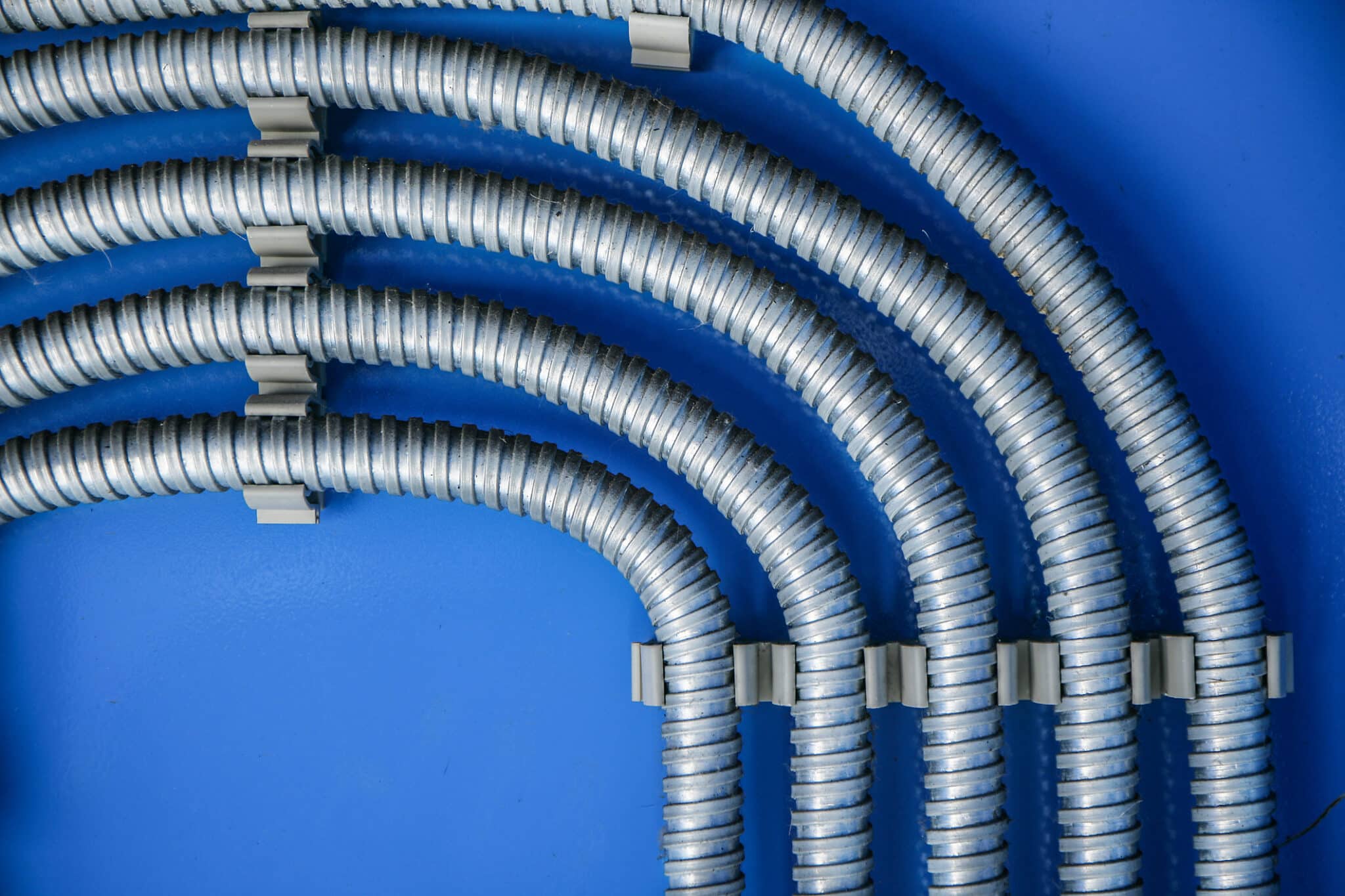
Calculating the bend radius for different conduit materials is crucial for electricians to ensure installations meet the conduit bend radius rules. Different materials, such as PVC, metal, or fiberglass, have unique flexibility and strength characteristics, affecting how they should be bent. For instance, in Conway, SC, electricians often work with PVC due to its resistance to corrosion and moisture, requiring careful calculation to avoid exceeding its bend radius. This precision ensures the conduit maintains its integrity and functionality throughout its use.
In Myrtle Beach, SC, electricians frequently encounter metal conduits in industrial settings. Metal conduits, being more rigid than PVC, demand a thorough understanding of the conduit bend radius rules to prevent kinking or breaking during installation. By accurately calculating the bend radius, electricians can guarantee a smooth wire pull and adherence to safety standards. This attention to detail is what makes the installation process efficient and compliant with local codes.
Moreover, the use of bending tools and techniques varies with the conduit material. Electricians must select the appropriate tool, whether it’s a hand bender for small jobs or a hydraulic bender for larger, more rigid conduits. This selection is based on the material’s properties and the calculated bend radius, ensuring that the conduit is not stressed beyond its limits. Proper tool usage prevents damage and extends the lifespan of the electrical installation.
Lastly, educating oneself on the specific requirements for each type of conduit material is essential. Continuous learning about new materials and updates to the conduit bend radius rules keeps electricians ahead in their field. Whether working in Conway, SC, or Myrtle Beach, SC, staying informed allows electricians to handle any material effectively, ensuring safe, reliable, and code-compliant electrical systems. This commitment to education and adherence to standards exemplifies the professionalism required in the electrical industry.
Ensuring Code Compliance with Bend Radius Standards
Ensuring installations meet the conduit bend radius rules is paramount for electricians aiming for code compliance in their projects. In Conway, SC, professionals meticulously follow these standards to avoid the legal and safety repercussions of non-compliance. This diligence ensures electrical systems not only function efficiently but also adhere to strict safety regulations. Their commitment to following these rules reflects a deep understanding of their importance in electrical work.
In Myrtle Beach, SC, electricians leverage their knowledge of the conduit bend radius rules to navigate the complexities of local building codes. They recognize that compliance is not just about following regulations but also about ensuring the longevity and reliability of electrical installations. By adhering to these standards, they safeguard the integrity of the electrical systems they work on. This approach minimizes the risk of future complications, ensuring a smoother approval process for their projects.
The conduit bend radius rules serve as a guide for electricians to execute their work with precision and care. Whether working with PVC, metal, or any other material, understanding and applying these rules is crucial. It allows for the creation of safe, efficient, and compliant electrical systems. Electricians’ ability to apply these rules effectively showcases their expertise and dedication to their craft.
Finally, staying informed about updates to the conduit bend radius rules is essential for electricians in both Conway, SC, and Myrtle Beach, SC. Regular training and education on these standards equip them to handle any project with confidence. Their commitment to continuous learning and adherence to these rules exemplifies the professionalism required in the electrical industry, ensuring that every installation is up to code and built to last.
Case Studies: Successful Applications of Bend Radius Rules
Electricians in Conway, SC, have showcased their expertise through successful applications of the conduit bend radius rules in various projects. One notable example involved the installation of a complex electrical system in a commercial building. By adhering to the specified bend radius, the team not only prevented damage to the conduits but also ensured smoother wire pulls, demonstrating the practical benefits of following these guidelines.
In another case in Myrtle Beach, SC, a residential project highlighted the importance of precision in bending conduits. The electricians meticulously calculated the bend radius for PVC conduits, which significantly enhanced the safety and efficiency of the electrical installation. This project served as a testament to the critical role that understanding and applying the conduit bend radius rules play in achieving high-quality work.
Furthermore, the successful implementation of these rules in a large industrial setting showcased the versatility and applicability of the guidelines across different types of projects. The electricians managed to navigate through tight spaces and around numerous obstacles, all while maintaining the integrity of the conduit system. This achievement underscored the value of expertise and careful planning in electrical installations.
Lastly, these case studies collectively highlight the conduit bend radius rules’ impact on the longevity and reliability of electrical systems. By following these standards, electricians in both Conway, SC, and Myrtle Beach, SC, have demonstrated their commitment to quality and safety. These examples serve as a blueprint for future projects, emphasizing the importance of adherence to these crucial guidelines.
Frequently Asked Questions
What are Conduit Bend Radius Rules?
Conduit Bend Radius Rules ensure electrical installations meet safety standards. They guide electricians on how to bend conduits without causing damage. Following these rules helps avoid kinks, ensuring cables can be easily pulled through. This practice is crucial for creating code-compliant, reliable electrical systems in Myrtle Beach, SC.
How do electricians calculate bend radius?
Electricians use a simple formula to calculate the bend radius. They measure the diameter of the conduit, then multiply it by a specific factor. This factor varies, depending on the type of conduit material. By doing so, they ensure the bend meets the conduit bend radius rules, keeping installations safe and efficient.
Why are bend radius rules important?
Bend radius rules are key to maintaining the integrity of electrical systems. They prevent the conduits from kinking, which ensures that wires can be pulled through smoothly. This adherence to standards helps electricians in Myrtle Beach, SC, create installations that are safe and compliant with local codes. Ultimately, following these guidelines supports the longevity and reliability of electrical infrastructure.
Can Conduit Bend Radius Rules vary by material?
Yes, the conduit bend radius rules can indeed vary based on the material. Different materials, such as PVC, metal, or fiber optic conduits, have unique flexibility and strength characteristics. As a result, each type requires a specific minimum bend radius to avoid damage. Understanding these variations is crucial for electricians to ensure safe, efficient, and code-compliant electrical installations.
What tools do electricians use for bending conduit?
Electricians rely on specific tools to ensure conduit bends meet the required standards. Hand benders are common for small jobs, allowing precise control over the bend. For larger conduits, they use hydraulic or electric benders, which provide the power needed for thicker materials. These tools help electricians in Myrtle Beach, SC, adhere to conduit bend radius rules, ensuring safe and efficient electrical installations.