

![echo $callnow_phoneicon['title']](https://mistersparkymyrtlebeachsc.com/wp-content/uploads/2017/11/emergency-electrician-in-north-myrtle-beach-sc-phone-icon.png) 843.213.6610
843.213.6610 Book Now!
Conduit Fill Planning to Avoid Overheated Wires
In the bustling city of Myrtle Beach, SC, where the sun shines bright and the demand for reliable electricity never dims, the topic of conduit fill planning becomes crucial. This process, often overlooked, plays a pivotal role in ensuring our electrical systems are safe, efficient, and capable of handling the energy needs of both homes and businesses. Without proper planning, the risk of overheated wires and the subsequent damage to insulation or even dangerous hotspots increases significantly. It’s not just about meeting code requirements, it’s about safeguarding our community and our loved ones.
Conway, SC, with its charming landscapes and thriving local businesses, also faces these electrical challenges. The importance of calculating conduit fill and derating cannot be understated in these areas. By accurately determining the capacity and adjusting the load of electrical conduits, we can prevent the overheating of wires. This not only prolongs the lifespan of our electrical systems but also enhances safety and efficiency.
The concept of conduit fill planning might seem daunting at first glance. However, it’s essentially about understanding how to properly size electrical conduits to prevent wire insulation damage and avoid the creation of hotspots. This knowledge is invaluable for electricians, contractors, and anyone involved in the construction or renovation of electrical systems.
By embracing the principles of conduit fill planning, residents and professionals in Myrtle Beach and Conway can ensure their electrical installations are both safe and compliant. This initiative not only protects property but also conserves energy and promotes a safer living and working environment for everyone. As we delve deeper into the specifics of conduit fill and derating, remember, the goal is to create electrical systems that serve us well today and into the future.
Understanding Conduit Fill Basics
Understanding the basics of conduit fill planning is the first step toward ensuring the safety and efficiency of electrical installations in Myrtle Beach, SC. It involves calculating the maximum number of cables that can fit inside a conduit without risking damage to the insulation from overheating. This calculation is critical because it helps maintain the integrity of the electrical system. By adhering to these guidelines, electricians and contractors can prevent the potential for electrical fires and system failures.
Conduit fill planning also requires a thorough understanding of the types of wires being used and their insulation properties. Different types of insulation can withstand different levels of heat, which affects how many wires can safely be run through the same conduit. For example, in Conway, SC, where temperatures can soar, selecting the right type of insulation becomes even more crucial. This careful selection ensures that the electrical systems can handle the heat without compromising safety or performance.
Another important aspect of conduit fill planning is the consideration of future needs. It’s wise to plan for potential upgrades or expansions by allowing extra space within conduits. This forward-thinking approach not only saves time and money but also minimizes disruptions. It ensures that Myrtle Beach’s electrical infrastructure can grow alongside its thriving community and business sector, without frequent overhauls.
Finally, the practice of derating plays a significant role in conduit fill planning. Derating involves adjusting the current-carrying capacity of wires based on various factors, including the number of wires in a conduit and the ambient temperature. This adjustment is essential for preventing overheating and preserving the lifespan of the electrical system. By incorporating derating into their planning, professionals in Myrtle Beach and Conway can ensure their electrical installations are both safe and durable, protecting the community and the environment.

The Importance of Conduit Fill Planning
In Myrtle Beach, SC, the significance of conduit fill planning extends beyond mere compliance with electrical codes. It serves as a cornerstone for constructing resilient and efficient electrical systems. By meticulously calculating the appropriate number of wires for each conduit, professionals can drastically reduce the risk of overheating. This proactive approach not only ensures the longevity of electrical installations but also enhances safety for all residents.
Conway, SC, benefits greatly from the application of these principles, where the emphasis on selecting suitable insulation types is paramount. The choice of insulation directly impacts the system’s ability to withstand local temperature variations. Consequently, it plays a crucial role in preventing the degradation of wire quality over time. Such careful consideration is essential in maintaining the overall health of electrical systems in the region.
The practice of allowing extra space within conduits for future expansions exemplifies foresight in electrical planning. This strategy not only accommodates the growth of Myrtle Beach’s vibrant community but also ensures that electrical systems remain robust and adaptable. By planning ahead, electricians and contractors can avoid unnecessary complications, keeping the city’s infrastructure both flexible and dependable.
Moreover, the process of derating is indispensable in the realm of conduit fill planning. It involves adjusting the capacity of wires to account for the real-world conditions they will face, such as the ambient temperature and the number of wires in a conduit. This meticulous adjustment is crucial in Conway, SC, where it prevents overheating and safeguards the integrity of the electrical system. Through such detailed planning, professionals ensure that electrical installations are not only compliant but also poised to serve the community effectively for years to come.
Calculating Maximum Conduit Fill
Calculating maximum conduit fill is a critical step in conduit fill planning, ensuring that electrical systems in Myrtle Beach, SC, remain safe and efficient. By determining the ideal number of wires that can be housed within a conduit, professionals prevent the risk of overheating and potential damage. This calculation takes into account the size and type of wires, as well as the conduit’s material and dimensions. It’s a precise process that guarantees electrical installations meet both current needs and regulatory standards.
In Conway, SC, the challenge of selecting the right conduit size is met with careful consideration of local environmental conditions. Professionals factor in the ambient temperatures and the potential for future expansions when planning conduit fill. This foresight helps in avoiding the need for costly and disruptive upgrades, ensuring that electrical infrastructures can support the community’s growth. Such planning is essential for maintaining a reliable and efficient electrical system.
The technique of accurately calculating conduit fill involves understanding the complex interplay between wire size, insulation type, and conduit capacity. This knowledge allows for the optimization of electrical system performance, reducing the likelihood of overheating. In Myrtle Beach, SC, electricians and contractors use this information to design installations that are not only compliant with safety codes but also tailored to the specific needs of the area. This approach enhances the durability and reliability of local electrical systems.
Finally, conduit fill planning in Conway, SC, incorporates the practice of derating, adjusting for the number of conductors and the ambient temperature conditions. This critical step ensures that the electrical systems operate safely under the intended loads, preventing insulation damage and hotspots. By meticulously calculating maximum conduit fill, professionals safeguard the community’s electrical infrastructure, promoting a safe and efficient energy supply for all.
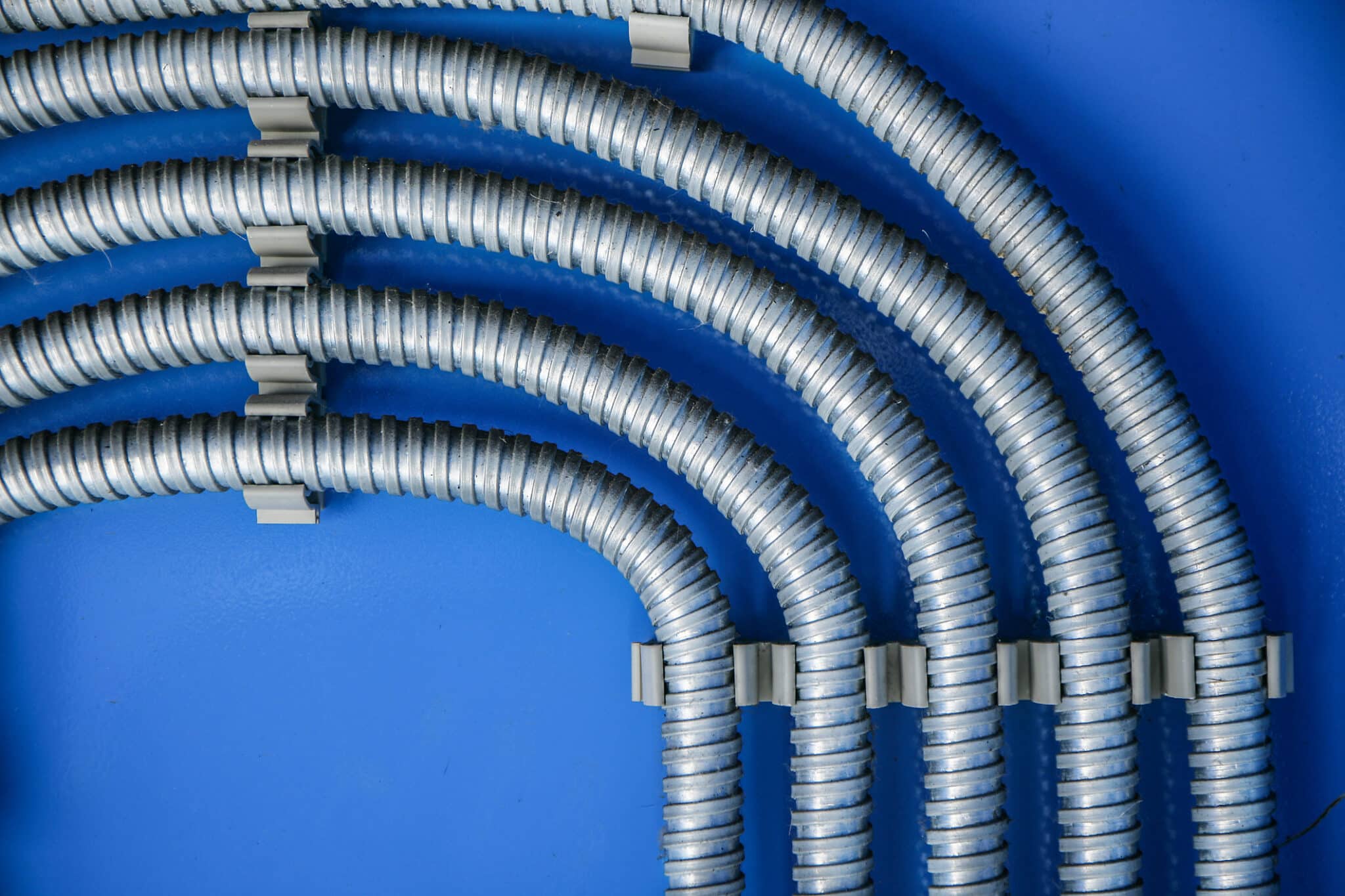
Factors Affecting Conduit Capacity
When planning for conduit fill, it’s essential to consider the types of wires and their insulation. In Myrtle Beach, SC, the right insulation can make a significant difference in managing the internal temperature of conduits. This choice helps prevent the wires from overheating, ensuring they operate efficiently and safely. Selecting the appropriate insulation is a crucial step in conduit fill planning, enhancing the system’s overall performance.
Another critical factor is the physical environment where the conduit is installed. In Conway, SC, the ambient temperature can influence the capacity of a conduit. Higher temperatures may require a reduction in the number of wires to prevent overheating, highlighting the importance of considering local climate conditions. This environmental consideration is a key aspect of effective conduit fill planning, ensuring systems are tailored to their specific locations.
The conduit material also plays a significant role in determining its capacity. Different materials dissipate heat at varying rates, affecting how many wires can be safely enclosed. Professionals must choose the right conduit material based on both the electrical and thermal demands of the installation. This decision is vital for maintaining the integrity of the electrical system and preventing damage from excessive heat.
Finally, the impact of bundling multiple wires together cannot be overlooked. When wires are bundled, the heat they generate can accumulate, potentially leading to overheating. Proper conduit fill planning accounts for this by adjusting the number of wires based on their arrangement and the conduit’s ability to dissipate heat. This careful consideration ensures that electrical installations remain safe, efficient, and compliant with relevant standards.
Derating: What It Is and Why It Matters
Understanding the concept of derating is crucial in the realm of conduit fill planning, especially in areas like Myrtle Beach, SC. Derating adjusts the current-carrying capacity of wires to account for factors that could lead to overheating, such as the number of conductors in a conduit or the ambient temperature. This process is essential for maintaining the safety and efficiency of electrical systems. By implementing derating, electricians can ensure that the electrical installations are capable of handling the intended load without compromising the system’s integrity.
In Conway, SC, where the climate can significantly influence electrical installations, derating becomes even more critical. It allows professionals to consider the environmental impact on the electrical conduits and make informed decisions about the capacity of wires. This foresight prevents potential overheating issues, safeguarding the infrastructure against damage and prolonging the lifespan of the electrical system. Derating, therefore, plays a pivotal role in creating resilient and reliable electrical installations.
The practice of derating also highlights the importance of planning for future expansions or upgrades in electrical systems. By accounting for potential increases in load or changes in environmental conditions, professionals can design installations that are both flexible and durable. This approach ensures that electrical systems in Myrtle Beach, SC, can adapt to the evolving needs of the community without requiring frequent, costly modifications. It’s a strategic component of conduit fill planning that emphasizes foresight and adaptability.
Moreover, derating underscores the necessity of comprehensive planning and calculation in electrical installations. It requires a deep understanding of the factors that affect conduit fill and the capacity of electrical systems. Professionals in Conway, SC, leverage this knowledge to make calculated decisions that optimize the performance and safety of electrical installations. Through meticulous planning and the application of derating principles, electricians and contractors can achieve installations that meet the highest standards of safety and efficiency.
Common Mistakes in Conduit Fill Calculations
In the realm of conduit fill planning, overlooking the impact of wire type and size is a common misstep. Professionals in Myrtle Beach, SC, must carefully consider these aspects to ensure the electrical system’s efficiency and safety. Selecting the wrong wire size can lead to inadequate space within the conduit, causing overheating and potential system failures. This mistake underscores the importance of meticulous planning and knowledge of wire characteristics.
Another frequent error is underestimating the significance of ambient temperature in Conway, SC. Ambient conditions greatly influence the conduit’s ability to dissipate heat, yet this factor is often neglected. Ignoring local climate conditions can result in improper derating and, consequently, overheated wires. It’s crucial for professionals to factor in environmental impacts to maintain a safe and effective electrical system.
Failing to plan for future expansions is a short-sighted approach that can lead to costly overhauls. Many installations initially meet current needs but don’t allow for easy scaling. This oversight can force a complete redo of the conduit system as the demand increases, which is neither time nor cost-effective. Planning with foresight ensures the electrical infrastructure can adapt without significant modifications.
Lastly, incorrect application of derating principles can compromise the entire electrical installation. Some electricians might not adequately adjust for the number of wires in a conduit, leading to excessive heat buildup. This error highlights the need for a deep understanding of how different factors, such as the number of conductors, affect the system’s capacity. Proper application of derating is essential in ensuring long-term safety and functionality of electrical systems.
Tools and Resources for Conduit Fill Planning
For successful conduit fill planning, having the right tools and resources at your disposal is essential. In Myrtle Beach, SC, professionals rely on specialized software that accurately calculates the maximum conduit capacity. This software takes into account various factors such as wire size, type, and insulation properties, ensuring that the electrical systems are designed for optimal safety and efficiency. It’s a vital resource for electricians aiming to prevent overheating and maintain system integrity.
Additionally, comprehensive guides and codebooks are indispensable for those involved in conduit fill planning. These resources provide detailed information on standards and best practices, crucial for staying compliant with regulations. In Conway, SC, electricians and contractors reference these guides to make informed decisions about conduit sizing and wire selection. By adhering to these guidelines, professionals ensure their installations meet the highest safety standards.
Online forums and professional networks also serve as valuable resources for sharing knowledge and solutions related to conduit fill planning. These platforms offer a space for professionals to discuss challenges, exchange tips, and stay updated on the latest industry trends. They facilitate a community of learning and collaboration, helping electricians across regions, including Myrtle Beach, SC, enhance their skills and approaches to electrical installations.
Finally, continuous education and training programs play a crucial role in mastering conduit fill planning. These programs offer up-to-date information on technologies, materials, and codes, ensuring professionals are well-equipped to tackle any project. In Conway, SC, electricians who invest in ongoing education demonstrate a commitment to excellence and safety, positioning themselves as leaders in the field of electrical installations.
Frequently Asked Questions
What is conduit fill planning?
Conduit fill planning is a crucial step in electrical installations. It involves calculating how many wires can fit in a conduit without causing overheating. This process helps prevent insulation damage and reduces the risk of hotspots. Proper planning ensures a safe and efficient electrical system in any building.
How does conduit fill affect wire temperature?
Conduit fill directly impacts wire temperature by influencing airflow and heat dissipation. When too many wires fill a conduit, it reduces the space available for air to circulate, leading to increased heat. This buildup can cause the insulation around wires to deteriorate faster. Therefore, careful conduit fill planning is essential to maintain optimal wire temperatures and ensure electrical safety.
What are the risks of overheated wires?
Overheated wires pose serious risks, including the potential for electrical fires. They can also lead to insulation damage, compromising safety. Furthermore, excessive heat reduces the efficiency of electrical systems, causing higher energy costs. To avoid these dangers, effective conduit fill planning is essential for any installation.
How to calculate conduit fill capacity?
To calculate conduit fill capacity, start by identifying the type and size of wires you plan to use. Next, consult the National Electrical Code (NEC) tables for the maximum fill percentages allowed. Then, measure the total area of the wires and compare it to the conduit’s cross-sectional area. Ensure your calculation aligns with NEC guidelines to prevent overheating and ensure safety.
Can conduit fill planning prevent wire damage?
Yes, conduit fill planning effectively prevents wire damage. By ensuring there’s enough room for each wire, it keeps temperatures low. This careful approach protects the insulation from deteriorating prematurely. As a result, it maintains the integrity and safety of the electrical system in any building.